Architectural Significance
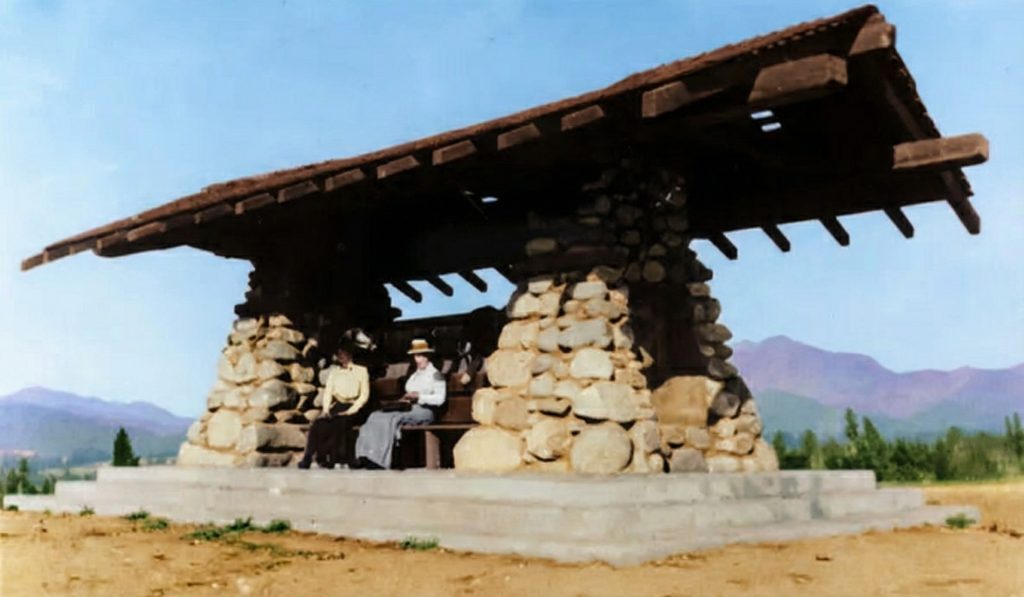
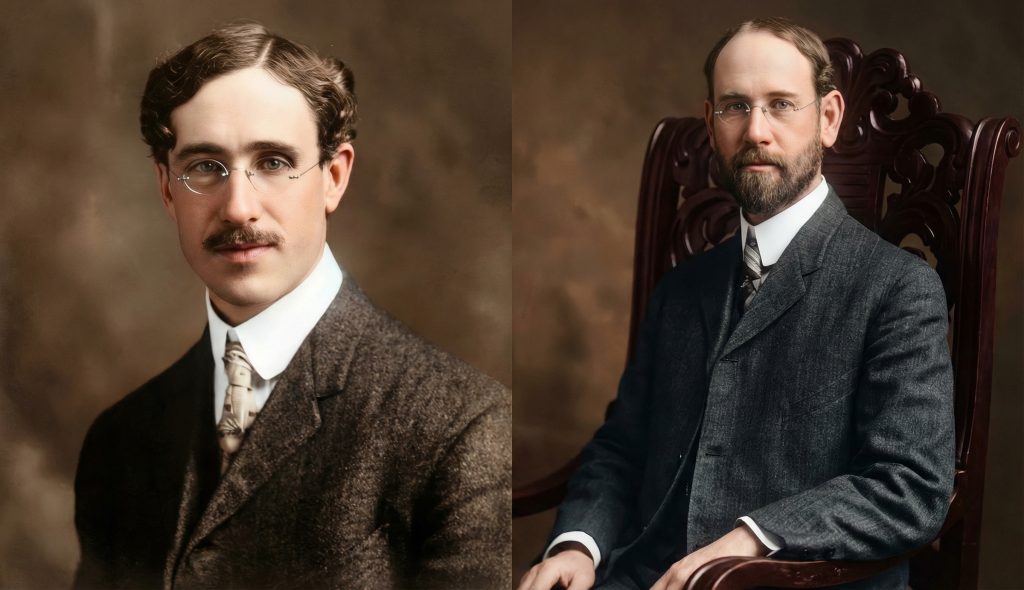
In the annals of architectural history, the firm of Greene & Greene stands as a colossus, their names synonymous with the zenith of the American Arts and Crafts movement. The brothers, Charles Sumner Greene and Henry Mather Greene, forged a unique architectural language in the sun-drenched landscapes of Southern California, a vernacular that was at once deeply rooted in tradition and startlingly modern. Their “ultimate bungalows,” such as the sublime Gamble House and the magnificent Blacker House, are celebrated as national treasures, testaments to an unparalleled mastery of material, form, and detail. Yet, beyond these residential masterpieces, the Greenes also applied their genius to a handful of public and civic structures, works that, though less famous, offer a fascinating glimpse into their broader architectural vision. Among these, the now-vanished Shelter for View Lovers, a public pavilion erected in 1907 on a scenic overlook in Pasadena, holds a special place. It was a poignant expression of the Greenes’ commitment to civic beauty and their profound understanding of the relationship between architecture and landscape. The pavilion’s demolition to make way for the George Washington School represents a significant loss to the architectural heritage of Pasadena, a reminder of the fragility of even the most exquisite creations.
A Synthesis of Styles
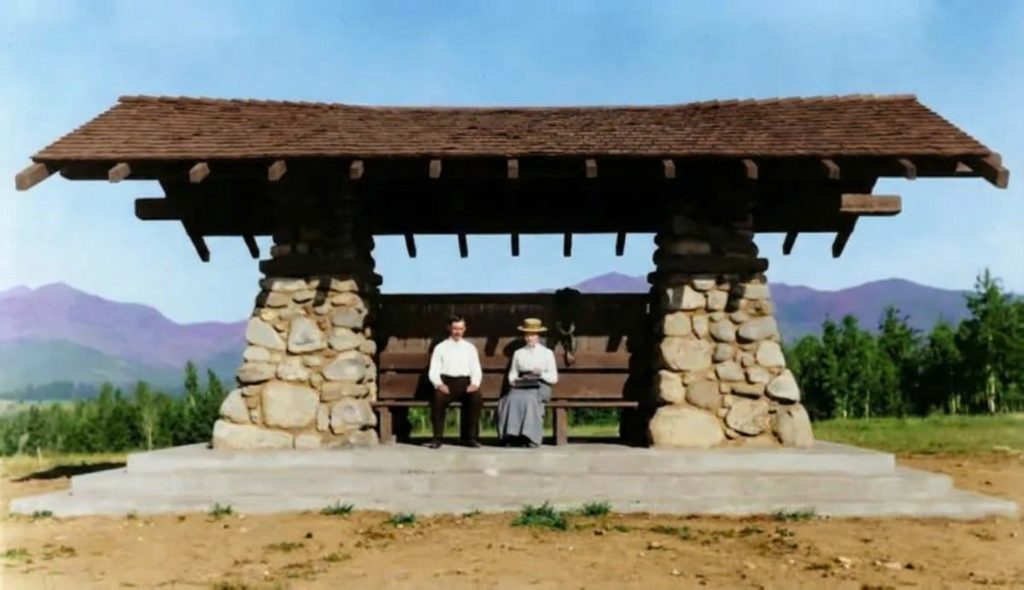
The Greenes’ architectural philosophy was a rich tapestry woven from diverse threads: the honest craftsmanship of the Arts and Crafts movement, the elegant simplicity of Japanese temple architecture, and the relaxed, informal spirit of California living. This synthesis found its perfect expression in the Shelter for View Lovers. The pavilion was a study in understated elegance, its design a harmonious blend of rustic charm and sophisticated detail. The use of natural materials, such as locally sourced arroyo stone and massive redwood timbers, grounded the structure in its environment, while the exquisite joinery and carefully considered proportions elevated it to the level of high art. The pavilion’s open design, with its broad, overhanging eaves and deep verandas, blurred the distinction between indoors and outdoors, inviting the landscape to become an integral part of the architectural experience.
The Importance of the Small Commission
The Shelter for View Lovers, though a modest commission in comparison to the sprawling bungalows the Greenes were designing for their wealthy clients, was no less a testament to their artistic vision. It demonstrated their belief that even the most humble of structures could be a work of art, a source of delight and inspiration for the community. The pavilion was a gift to the people of Pasadena, a place where they could gather to enjoy the beauty of their city and the surrounding landscape. It was a tangible expression of the Greenes’ democratic ideals, their conviction that good design should be accessible to all. The care and attention to detail that they lavished on this small public structure speak volumes about their commitment to their craft and their deep-seated belief in the power of architecture to enrich the human experience.
Architectural Features
Though no longer standing, historical accounts and the Greenes’ other works from this period provide a clear picture of the Shelter for View Lovers’ architectural features. It was a structure that embodied the core tenets of the Greene and Greene style, a harmonious fusion of form and function, structure and ornament.
Structure and Materials
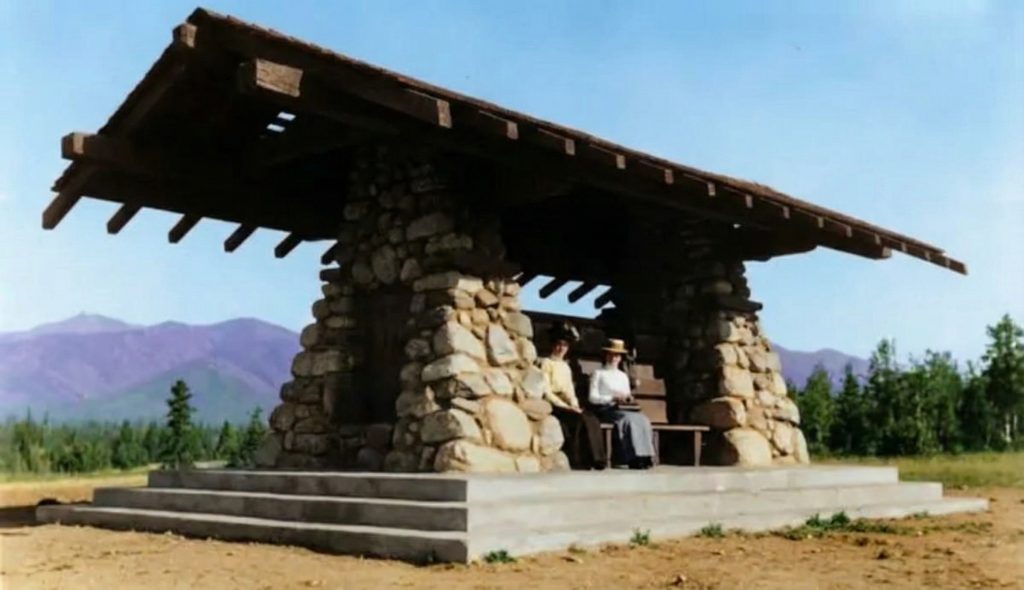
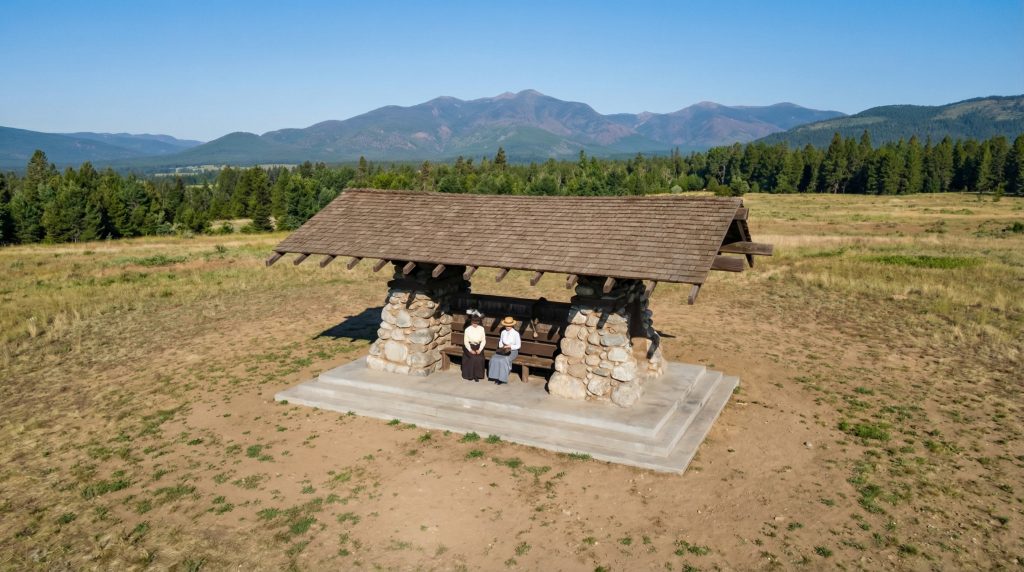
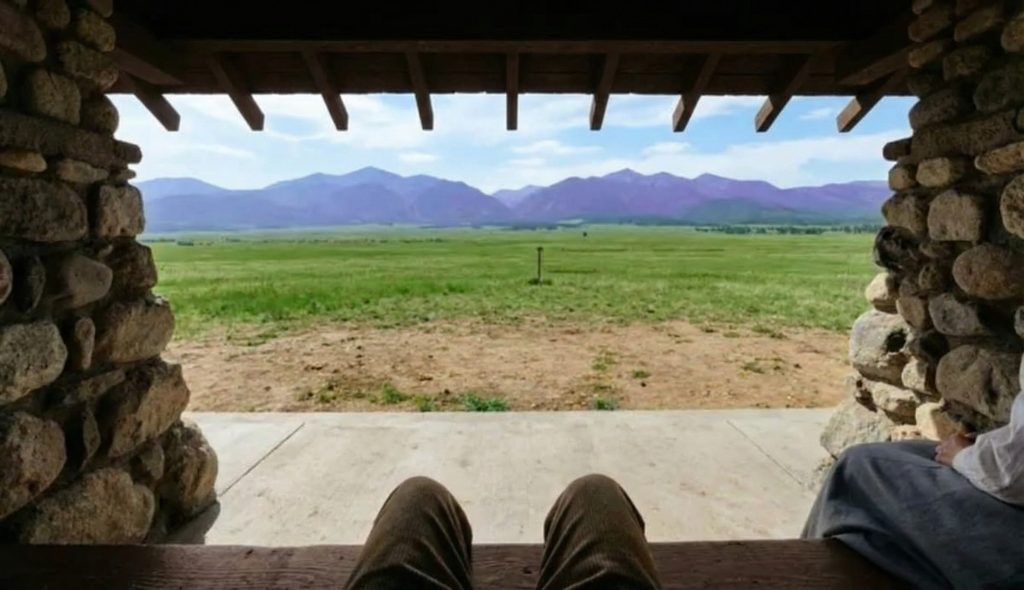
The pavilion’s structure was a celebration of the inherent beauty of natural materials. The foundation and lower walls were likely constructed of massive, rounded arroyo stones, their irregular shapes and earthy tones creating a sense of organic connection to the site. Rising from this solid base were the massive redwood timbers that formed the pavilion’s frame. The Greenes were masters of wood construction, and the Shelter for View Lovers would have showcased their signature style of exposed joinery, with intricately carved beams and rafters held together by carefully wrought pegs and dowels. The roof, with its low pitch and wide, overhanging eaves, was a hallmark of their work, providing shade and protection from the elements while also contributing to the pavilion’s distinctive, Asian-inspired silhouette.

Design and Ornament
The design of the Shelter for View Lovers was characterized by a sense of openness and transparency. The pavilion was essentially a large, covered porch, its walls consisting of little more than the massive timber posts that supported the roof. This allowed for uninterrupted views of the surrounding landscape, fulfilling the pavilion’s primary function as a “shelter for view lovers.” The ornament, as in all of the Greenes’ work, was not merely applied but was an integral part of the structure itself. The carved ends of the rafters, the gentle curve of the beams, the subtle chamfering of the posts—these were the details that transformed a simple shelter into a work of art. The Greenes’ signature “cloud lift” motif, a gentle, upward curve inspired by Japanese furniture design, would have likely been present in the pavilion’s woodwork, adding a touch of lyrical grace to the otherwise robust structure.
Historical Context
The early 20th century was a period of rapid growth and transformation for Pasadena. The city, once a sleepy agricultural community, was becoming a fashionable winter resort for wealthy Easterners, and its burgeoning population demanded new public amenities. The construction of the Shelter for View Lovers in 1907 was a reflection of this civic pride and the desire to create a beautiful and welcoming environment for residents and visitors alike.
The Arts and Crafts Movement in Pasadena
Pasadena was a hotbed of the Arts and Crafts movement in America, and the Greene brothers were its undisputed masters. The movement, which originated in England in the late 19th century, was a reaction against the shoddy, mass-produced goods of the Industrial Revolution. It championed the values of handcraftsmanship, natural materials, and simple, honest design. The Greenes’ work embodied these ideals, and their influence can be seen in the many bungalows and other Arts and Crafts-style buildings that still grace the streets of Pasadena today.
The Demolition of the Pavilion
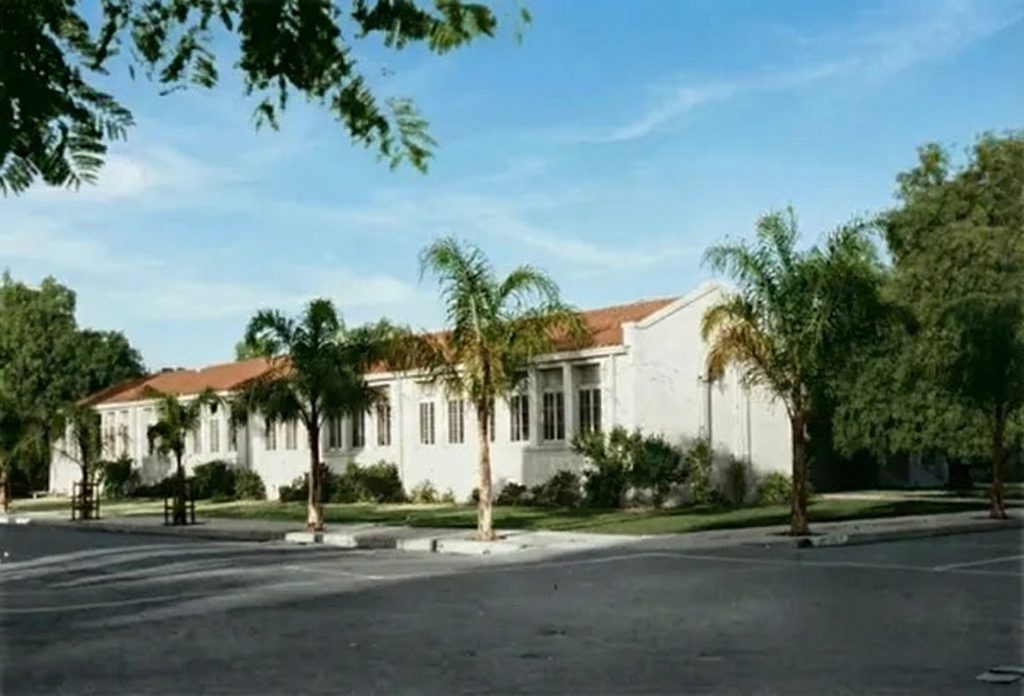
The Shelter for View Lovers stood for less than two decades before it was demolished to make way for the construction of the George Washington School in the early 1920s. The school, a handsome Spanish Revival-style building, was a much-needed addition to the growing city, but its construction came at a high price. The loss of the Greene and Greene pavilion was a tragedy, a stark reminder of the often-conflicting priorities of progress and preservation. In an era that was increasingly enamored with the new and the modern, the quiet, handcrafted beauty of the Shelter for View Lovers was deemed expendable.
Restoration & Preservation
As the Shelter for View Lovers was demolished in the 1920s, there is, tragically, nothing left to restore. The pavilion exists now only in photographs, drawings, and the memories of those who were fortunate enough to have seen it. However, the spirit of the pavilion lives on in the surviving works of Greene & Greene, and in the ongoing efforts to preserve and celebrate their architectural legacy.
The Importance of Preservation
The loss of the Shelter for View Lovers underscores the critical importance of historic preservation. The Greenes’ work is a priceless cultural treasure, and it is our responsibility to ensure that it is protected for future generations. The Gamble House, which was gifted to the University of Southern California in 1966, is a shining example of successful preservation. It is now a museum, open to the public, and its meticulously preserved interiors and furnishings offer an unparalleled glimpse into the world of Greene & Greene.
Lessons from the Past
The story of the Shelter for View Lovers is a cautionary tale. It reminds us that our architectural heritage is fragile and that we must be vigilant in our efforts to protect it. It also serves as a powerful argument for the importance of public art and the need to create beautiful and inspiring public spaces. The Greenes understood that architecture has the power to elevate the human spirit, and their work, even in its absence, continues to inspire us to create a more beautiful and humane world.
Current Status

The site where the Shelter for View Lovers once stood is now occupied by the Octavia E. Butler Magnet Middle School, formerly the George Washington School. The school, with its handsome Spanish Revival architecture, is a landmark in its own right, but it is impossible to stand on that spot without feeling a sense of loss for what was once there. The pavilion is gone, but its memory endures, a ghostly presence that haunts the landscape, a reminder of a time when beauty and craftsmanship were valued above all else. The Shelter for View Lovers may be a lost masterpiece, but its spirit lives on, a testament to the enduring power of great architecture.
