The Tod Ford Bungalows, commissioned in 1901, represent a fascinating and unique chapter in the story of Greene & Greene’s early development. This commission, for two bungalows to be built in the seaside community of Ocean Park (now part of Santa Monica), is a significant departure from the firm’s Pasadena-centric work of the period. The bungalows, designed for David Tod Ford, Sr., are a testament to the Greenes’ growing reputation and their willingness to take on projects in new and developing areas. The Ford Bungalows, with their simple, elegant design and their connection to the burgeoning beach culture of Southern California, are an important example of the Greenes’ versatility and their ability to adapt their architectural vision to a variety of contexts.
Architectural Significance
The Tod Ford Bungalows are significant not only for their architectural merit, but also for what they reveal about Greene & Greene’s practice in the early 1900s. The commission for two bungalows in Ocean Park demonstrates the firm’s growing reach and their willingness to engage with the rapidly developing landscape of Southern California. The bungalows are a beautiful and understated example of the Greenes’ early bungalow design, a style that would become a hallmark of their later work. The Ford Bungalows, with their simple forms, natural materials, and emphasis on indoor-outdoor living, are a testament to the Greenes’ ability to create architecture that was both modern and deeply rooted in the California landscape.
A Seaside Experiment: Greene & Greene in Ocean Park
The commission for the Tod Ford Bungalows was a unique opportunity for Greene & Greene to experiment with their design ideas in a new and different context. Ocean Park, with its relaxed, informal atmosphere and its close connection to the sea, was the perfect setting for the Greenes’ evolving architectural vision. The bungalows they designed for David Tod Ford, Sr. are a beautiful and eloquent expression of the California beach lifestyle, with their open, airy interiors, their simple, natural materials, and their seamless connection to the outdoors. The Ford Bungalows are a testament to the Greenes’ ability to create architecture that was not only beautiful, but also perfectly suited to its time and place.
Architectural Features
Exterior Design
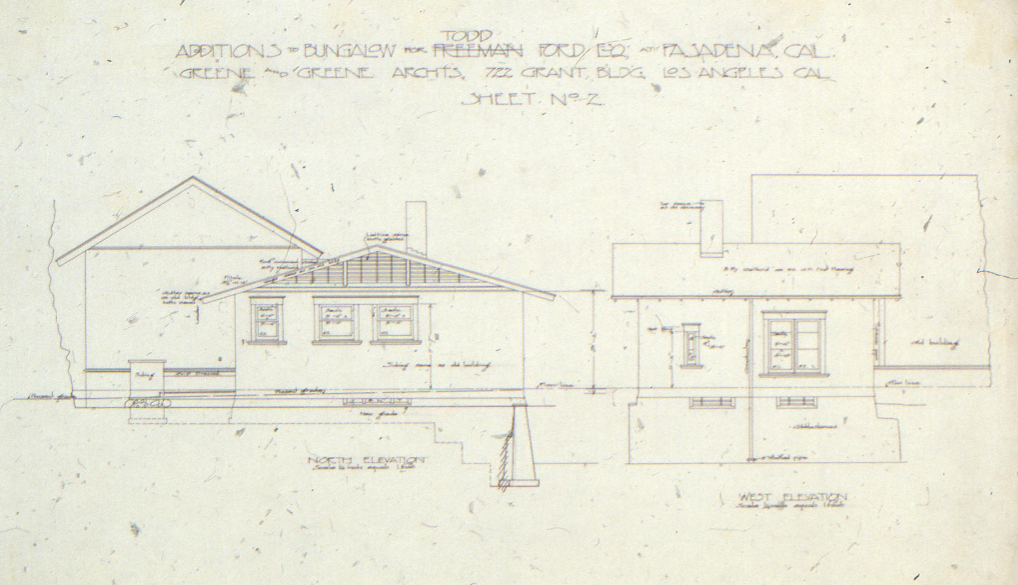
The exterior of the Tod Ford Bungalows was likely a simple and elegant expression of the emerging bungalow style, with a focus on natural materials, handcrafted details, and a harmonious relationship with the surrounding landscape. The bungalows were probably clad in wood shingles, a signature material of the Greenes’ work, and featured low-pitched roofs, wide eaves, and generous porches that would have been perfect for enjoying the ocean breezes. The design would have been a departure from the more formal and ornate styles of the Victorian era, with a focus on creating a sense of informality, comfort, and a deep connection to the natural world.
Bungalow Simplicity: The bungalows were likely simple and unpretentious in their design, with a focus on clean lines, honest materials, and a harmonious relationship between the various architectural elements.
Natural Materials: The use of natural materials, such as wood shingles and stone, would have been a key feature of the exterior design, reflecting the Greenes’ commitment to the principles of the Arts and Crafts movement.
Indoor-Outdoor Living: The design would have emphasized a seamless connection between the interior and the exterior, with generous porches, large windows, and an open, airy feel that would have been perfect for the seaside location.
Interior Design and Craftsmanship
The interior of the Tod Ford Bungalows would have been a warm and inviting space, characterized by a sense of openness, simplicity, and a deep appreciation for the beauty of natural materials. The floor plan would have been designed to maximize the connection to the outdoors, with large windows and doors that would have flooded the interior with natural light and fresh sea air. The use of natural wood finishes, built-in furniture, and handcrafted details would have created a sense of warmth, authenticity, and a deep connection to the traditions of the building arts.
Open and Airy Spaces: The interior would have been designed to be open and airy, with a focus on creating a sense of spaciousness and a seamless connection to the outdoors.
Natural Wood and Handcrafted Details: The use of natural wood finishes and handcrafted details would have been a key feature of the interior design, creating a sense of warmth, authenticity, and a deep connection to the traditions of the building arts.
Simplicity and Honesty: The interior would have been a celebration of simplicity and honesty, with a focus on the quality of the materials and the craftsmanship of the construction. This emphasis on the essential and the unadorned is a central tenet of the Arts and Crafts philosophy.
Historical Context
The Rise of the Bungalow
The Tod Ford Bungalows were designed at a time when the bungalow was just beginning to emerge as a popular and influential house type in Southern California. The bungalow, with its simple, informal design and its emphasis on indoor-outdoor living, was the perfect architectural expression of the region’s relaxed, outdoor-oriented lifestyle. The Greenes, with their deep appreciation for the principles of the Arts and Crafts movement, were at the forefront of this new architectural trend, and the Ford Bungalows are a beautiful and eloquent example of their early bungalow design.
Ocean Park: A Seaside Resort
Ocean Park, where the Ford Bungalows were built, was a popular seaside resort in the early 1900s, known for its beautiful beaches, its lively amusement pier, and its relaxed, informal atmosphere. The commission for two bungalows in this developing area was a significant one for Greene & Greene, as it demonstrated their growing reputation and their ability to attract clients from outside of their immediate Pasadena circle. The Ford Bungalows are a testament to the firm’s growing influence and their willingness to engage with the new and developing communities of Southern California.
David Tod Ford, Sr.: A Progressive Client
David Tod Ford, Sr., the client for the bungalows, was the president of the Pasadena Ice Company, a successful and well-respected businessman. His decision to commission two bungalows from Greene & Greene in the new and developing area of Ocean Park is a testament to his progressive and forward-thinking spirit. Ford was a man who was not afraid to embrace new ideas, and his choice of the Greenes as his architects is a reflection of his appreciation for modern design and his desire to create a home that was both beautiful and perfectly suited to the California lifestyle.
Legacy and Current Status
The Tod Ford Bungalows, though a more modest and lesser-known part of Greene & Greene’s portfolio, are an important and significant work. They are a testament to the firm’s versatility, their willingness to experiment with new ideas, and their ability to create architecture that was both beautiful and perfectly suited to its time and place. The bungalows are a beautiful and eloquent expression of the California beach lifestyle, and they stand as a testament to the enduring power and appeal of Greene & Greene’s architecture.
Location: Ocean Park (now part of Santa Monica), California (unbuilt design)
Year Built: 1901
Architectural Style: Early Bungalow Style with Arts and Crafts influences
Significance: Representative of Greene & Greene’s work outside of Pasadena, early bungalow design
Historical Context: Greene & Greene’s eighth year of practice, development of Southern California beach communities
The Tod Ford Bungalows are a charming and significant example of Greene & Greene’s early bungalow design, a testament to their versatility and their ability to create architecture that was perfectly suited to the relaxed, informal lifestyle of Southern California’s beach communities. They are a reminder that the Greenes’ genius was not limited to the grand, ultimate bungalows of their later years, but was also evident in their more modest and understated works.