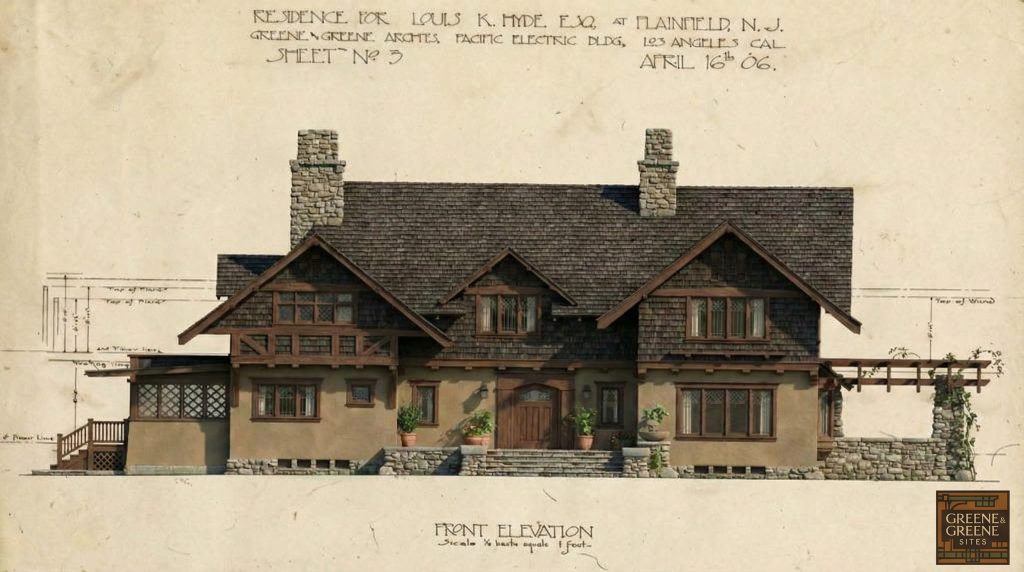
In the annals of Greene & Greene’s architectural practice, the unbuilt works hold a special significance, offering a tantalizing glimpse into the far-reaching influence of their design philosophy and the boundless nature of their creative ambitions. Among these “paper projects,” the 1906 design for the Louis K. Hyde House in North Plainfield, New Jersey, stands out as a particularly compelling case study. It is a story of a California masterpiece, the James A. Culbertson House, so captivating in its published form that an East Coast banker sought to replicate it in its entirety, a continent away from its origins. The Hyde House project, though never realized, is a powerful testament to the burgeoning national reputation of Greene & Greene and the magnetic appeal of the California Arts and Crafts movement in the early years of the twentieth century.
Architectural Significance
The architectural significance of the Louis K. Hyde House lies not in any groundbreaking design innovation—for it was, by definition, a replica—but in the very nature of its commission and the cultural phenomenon it represents. This was not a case of a client being inspired by the Greenes’ general style and seeking a new and original design; rather, it was a testament to the power of a single, published image to capture the imagination and create a desire for a specific, tangible object of beauty. The Hyde House project is a fascinating example of architectural dissemination, a story of how a design born of the unique cultural and climatic conditions of Southern California could be lifted from its context and transplanted, at least in theory, to a new and very different environment. It speaks to a moment in time when the allure of the California dream, as embodied in the architecture of Greene & Greene, was so powerful that it could transcend geography and inspire a New Jersey banker to import a piece of Pasadena to the East Coast.
A Testament to National Reputation
By 1906, the work of Greene & Greene was beginning to attract significant national attention, thanks in large part to the publication of their houses in popular magazines such as Good Housekeeping. The article featuring the James A. Culbertson House, which appeared in the magazine that year, was a pivotal moment in the firm’s history, catapulting them from a highly respected regional practice to one with a burgeoning national following. The fact that a prominent New Jersey banker like Louis K. Hyde, a man steeped in the more conservative financial and cultural milieu of the East Coast, would see these images and be so moved as to commission an identical house is a powerful indicator of the Greenes’ growing stature and the widespread appeal of their work. The Hyde project, in essence, marks the moment when the California bungalow, as perfected by Greene & Greene, began to transition from a regional curiosity to a national phenomenon, a symbol of a more relaxed, artistic, and nature-oriented way of life.
The Allure of the Published Image
The story of the Hyde House is also a story about the power of the published image in shaping architectural taste and desire. In an era before the widespread use of color photography, the black-and-white images of the Culbertson House, with their dramatic play of light and shadow, their emphasis on natural materials, and their evocation of a relaxed and informal way of life, must have seemed like a revelation to readers accustomed to the more formal and rigid conventions of East Coast architecture. The images promised not just a new kind of house, but a new way of living, one that was more connected to nature, more attuned to the rhythms of the seasons, and more expressive of the individual spirit. The Hyde commission is a testament to the effectiveness of these images in communicating the essence of the Greenes’ vision and creating a powerful sense of longing and desire. It demonstrates that the Greenes were not just selling a design; they were selling a dream, a vision of a more authentic and meaningful existence that resonated with a public that was growing weary of the excesses of the Gilded Age.
Architectural Features
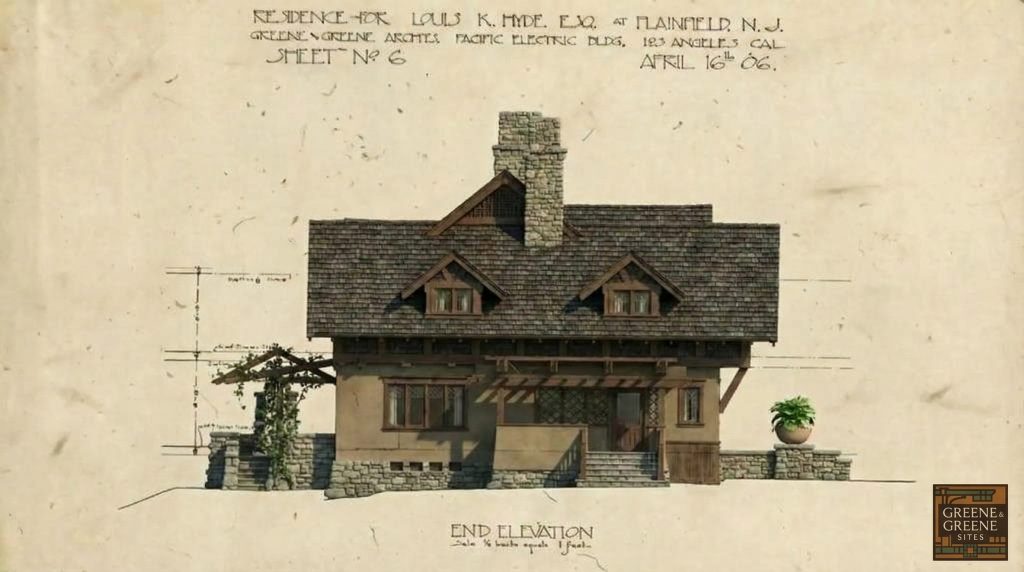
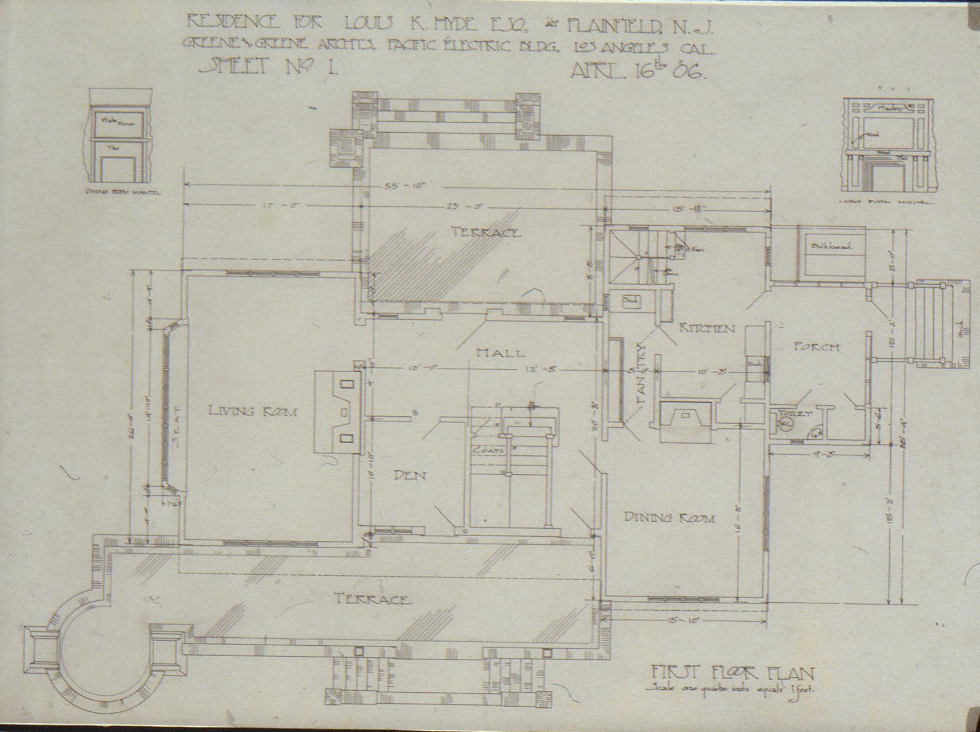
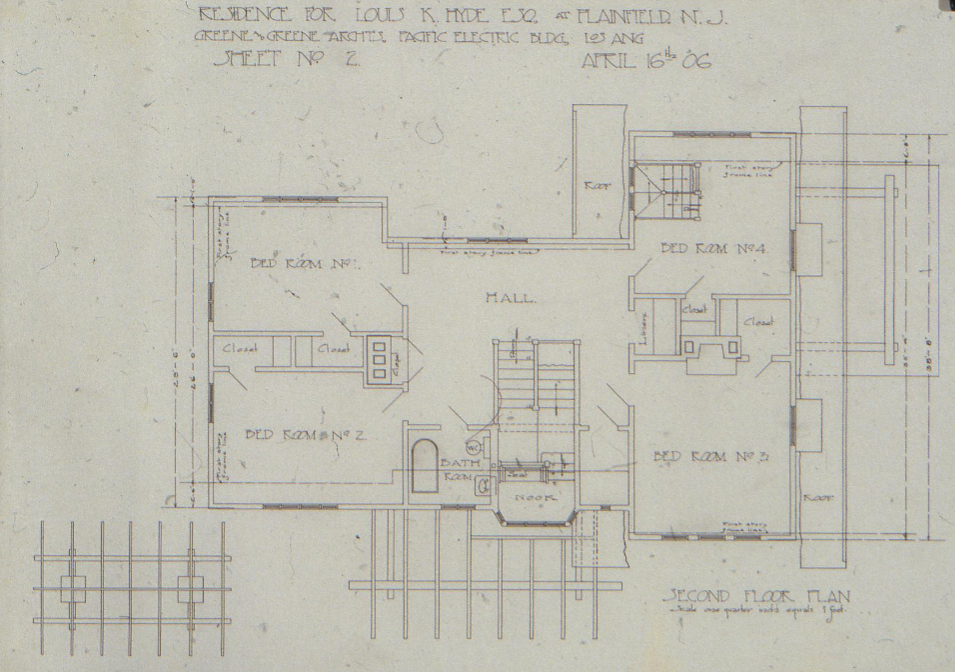
Since the Louis K. Hyde House was intended to be a replica of the James A. Culbertson House, its architectural features would have been identical to those of the Pasadena original. The design, a masterful blend of English-inspired forms and emerging Arts and Crafts ideals, was a showcase for the Greenes’ evolving style and their growing confidence as designers.
Exterior: A Study in Anglo-Craftsman Ideals
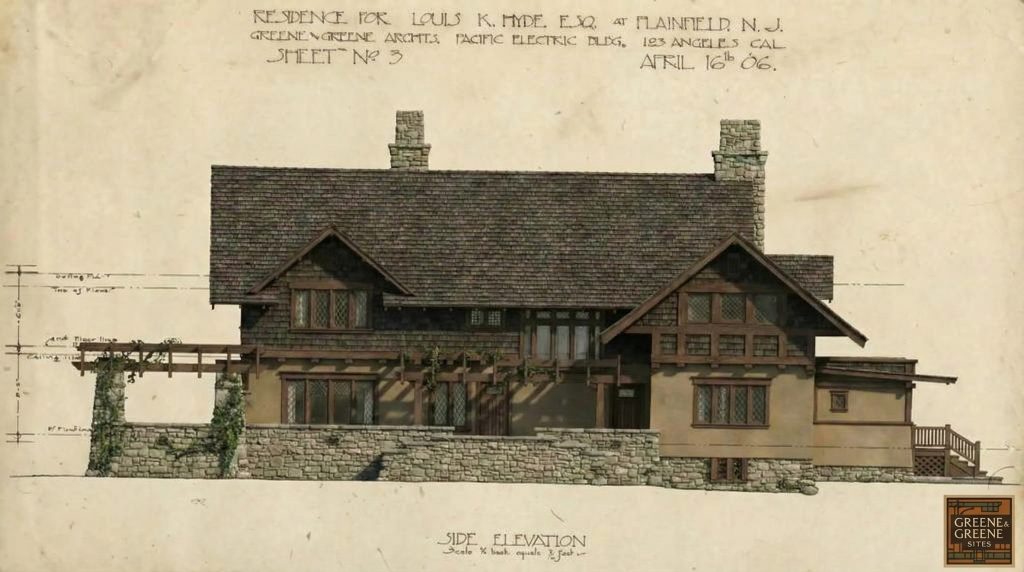
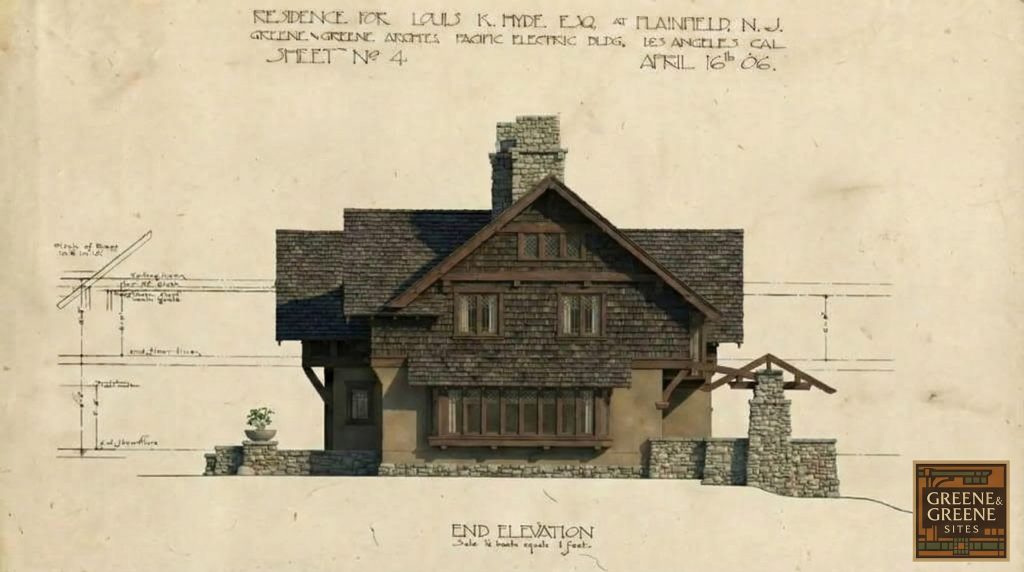
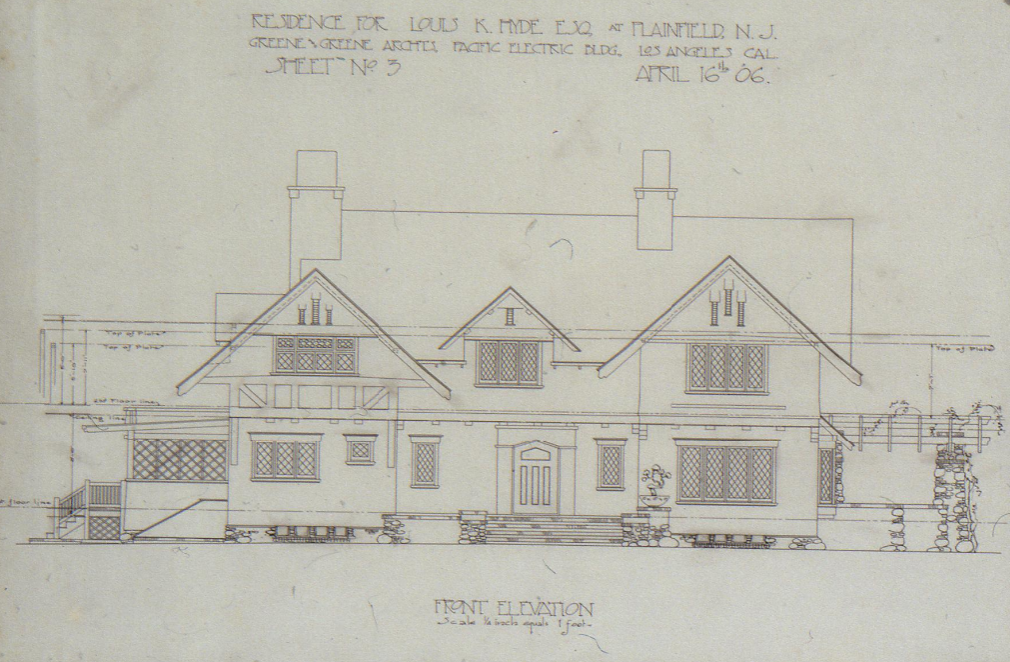
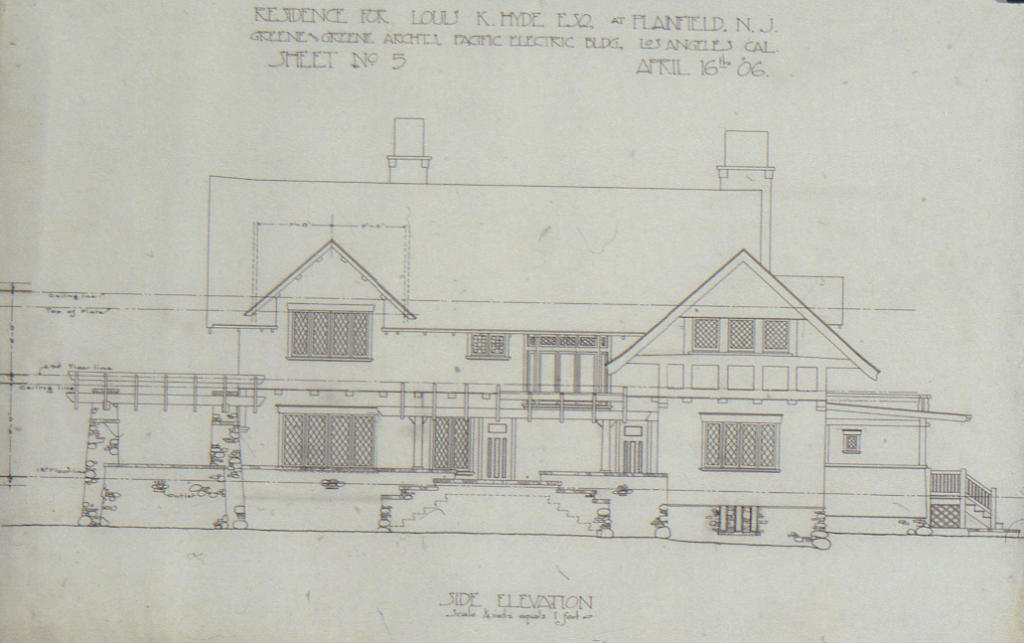
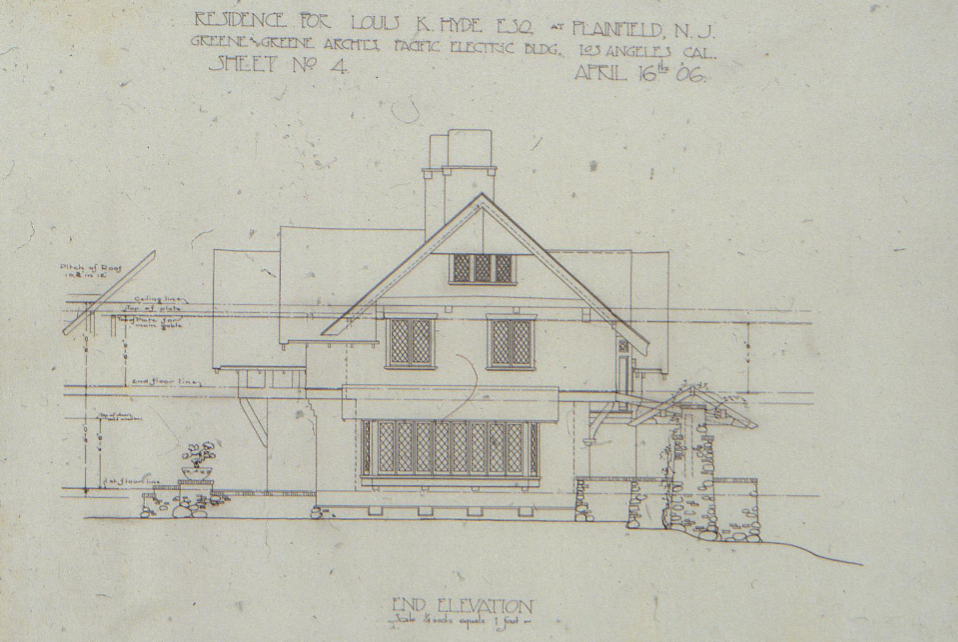
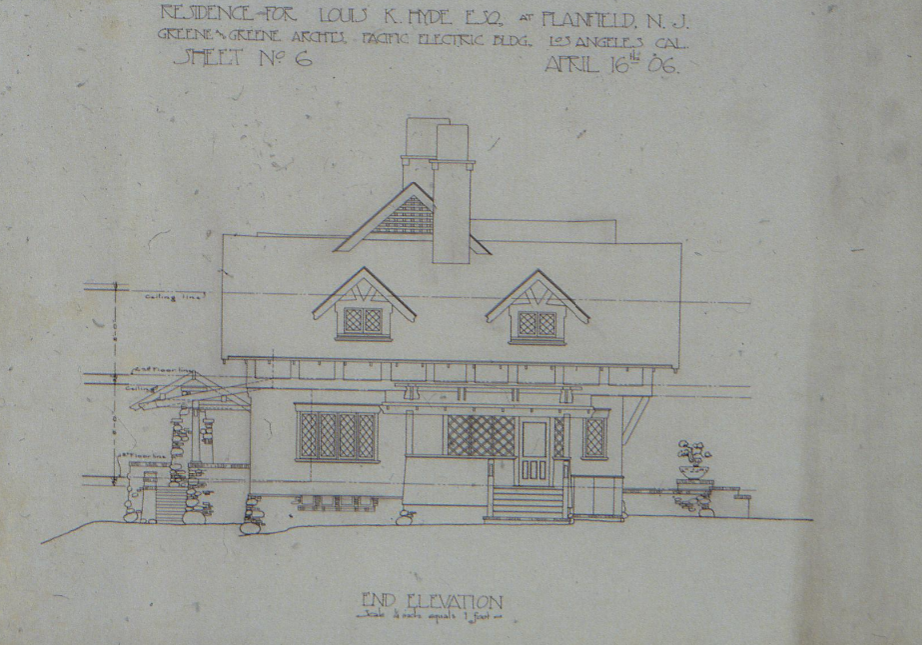
The exterior of the Culbertson House, and by extension the proposed Hyde House, was a powerful composition of interlocking volumes, broad, sheltering rooflines, and a rich palette of natural materials. The design was heavily influenced by the English Arts and Crafts movement, with its emphasis on picturesque massing, honest expression of structure, and the use of traditional building materials. The house was a two-story structure with a complex roofline, featuring multiple gables, dormers, and deep overhangs that created a sense of shelter and repose. The walls were clad in a combination of river rock and wood shingles, a signature Greene & Greene combination that grounded the house in its natural setting and created a rich textural contrast. The front elevation was a study in balanced asymmetry, with a welcoming porch, a prominent bay window, and a carefully composed arrangement of windows and doors that created a sense of rhythm and order.
Interior: The Poetry of Wood and Light
The interior of the Culbertson House was a masterpiece of spatial planning and decorative art, a warm and inviting environment that was both elegant and informal. The plan was organized around a central hall that provided access to the main living spaces: a large living room, a formal dining room, and a cozy den. The rooms were characterized by their use of natural wood, with exposed ceiling beams, paneled walls, and built-in furniture that created a sense of unity and harmony. The living room was particularly noteworthy for its dark-stained cedar paneling and its early use of an Asian-inspired bracket detail over the window seat, a motif that would become a recurring theme in the Greenes’ later work. The interior was a testament to the Greenes’ belief in the importance of craftsmanship and their ability to create spaces that were not just beautiful, but also deeply resonant and emotionally satisfying.
The Challenges of Replication
The decision to replicate the Culbertson House on the East Coast, however, would have presented a number of significant challenges. The Greenes’ architecture was deeply rooted in the specific climatic and cultural conditions of Southern California, and transplanting it to the harsher climate of New Jersey would have required more than just a simple act of duplication. The availability of materials, the local building traditions, and the different quality of light would have all necessitated adjustments to the original design. Perhaps the most significant challenge would have been replicating the high level of craftsmanship that was a hallmark of the Greenes’ work. The firm relied on a team of highly skilled artisans, including the legendary woodworkers Peter and John Hall, to execute their complex and finely detailed designs. It is unlikely that a comparable team of craftsmen could have been easily assembled in New Jersey, and the cost of bringing the Greenes’ California-based team to the East Coast would have been prohibitive. These practical challenges may well have been a contributing factor in the project’s ultimate demise.
Historical Context
The commission for the Louis K. Hyde House in 1906 came at a pivotal moment in the history of American architecture. The Arts and Crafts movement was in full swing, and the work of Greene & Greene was at the forefront of this new and exciting design philosophy. The Hyde project, with its East Coast client and its California-born design, is a fascinating case study in the cross-pollination of ideas and the nationalization of a regional architectural style.
The Arts and Crafts Movement Goes National
By 1906, the Arts and Crafts movement, which had originated in England as a reaction against the dehumanizing effects of industrialization, had taken firm root in the United States. The movement’s emphasis on hand-craftsmanship, truth to materials, and the integration of art into daily life found a receptive audience in a nation that was grappling with the social and cultural consequences of rapid industrial growth. While the movement had strong regional centers in cities like Boston, Chicago, and Pasadena, its influence was increasingly being felt across the country, thanks to the proliferation of magazines like Gustav Stickley’s The Craftsman and Good Housekeeping. These publications played a crucial role in disseminating the ideals of the movement and in showcasing the work of its leading practitioners, including Greene & Greene.
A Tale of Two Coasts
The Hyde House project is a compelling illustration of the dialogue that was taking place between the architectural cultures of the East and West Coasts in the early 1900s. While the East Coast had a long and established tradition of academic, European-inspired architecture, the West Coast, and particularly California, was a place of experimentation and innovation, a fertile ground for the development of new and distinctly American architectural forms. The fact that an East Coast banker like Louis K. Hyde would choose to build a California-style house in the heart of the New Jersey suburbs is a testament to the growing appeal of the West Coast aesthetic and the sense of freedom and possibility that it represented. The Hyde project, in this sense, can be seen as a harbinger of the profound influence that California would come to have on American popular culture in the decades to come.
Louis K. Hyde: The Eastern Patron
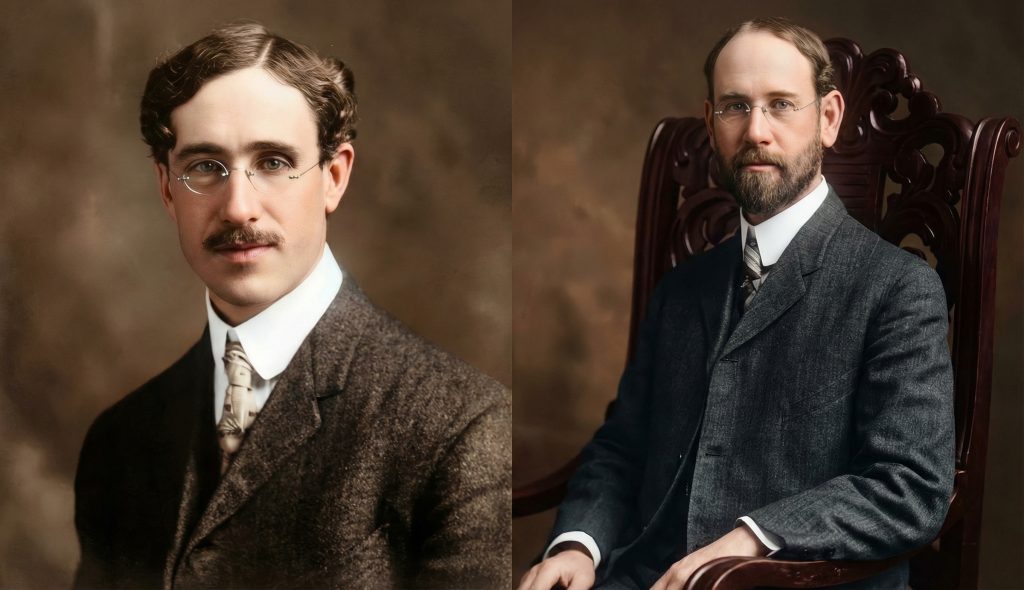
Louis Kepler Hyde was a man of considerable means and influence, a prominent figure in the banking and real estate circles of Plainfield, New Jersey. His decision to commission a house from a pair of California architects, and to request a replica of a house he had only seen in a magazine, speaks to a certain adventurousness of spirit and a willingness to embrace the new and unconventional. Hyde was not a typical patron of the arts; he was a businessman, a man of finance, and his interest in the Greenes’ work seems to have been more aesthetic than intellectual. He was captivated by the beauty of the Culbertson House, by its romantic and picturesque qualities, and he wanted to possess a version of it for himself. His patronage, though it did not result in a built work, is nonetheless significant, for it demonstrates that the appeal of the Greenes’ architecture was not limited to the bohemian and artistic circles of Pasadena, but had begun to resonate with a broader and more mainstream audience.
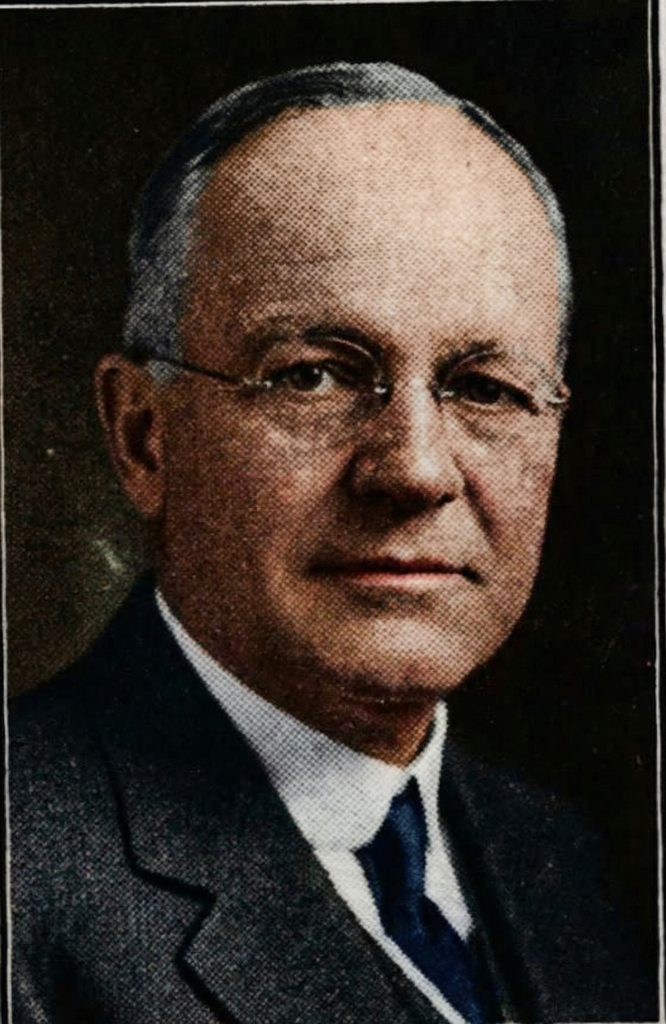
Louis K. Hyde, the prominent New Jersey banker who commissioned Greene & Greene to replicate a California house on the East Coast.
Restoration & Preservation
The story of the Louis K. Hyde House is a story of what might have been, a tantalizing glimpse into an alternate history of American architecture. Because the house was never built, there is no physical structure to restore or preserve. Instead, what remains is the set of architectural drawings, the ghostly blueprints of a California dream that was never realized on the New Jersey soil. These drawings, preserved in the Greene & Greene Virtual Archives at Columbia University, are the primary evidence of the project’s existence, a precious and irreplaceable record of the architects’ intentions.
The Importance of the Unbuilt
The study of unbuilt projects like the Hyde House is a crucial aspect of architectural history, for it is in these “paper projects” that we can often find an architect’s most idealistic and experimental ideas, unconstrained by the practical limitations of budget, client demands, and construction realities. The Hyde House drawings, in their very existence, tell a powerful story about the national reach of the Greenes’ influence and the power of the published image to shape architectural taste. They are a reminder that the history of architecture is not just the history of buildings, but also the history of ideas, dreams, and aspirations.
Current Status
The Louis K. Hyde House remains today what it has always been: an unbuilt project, a fascinating footnote in the careers of two of America’s greatest architects. The site in North Plainfield, New Jersey, where the house was intended to be built, has long since been developed, and there is no physical trace of the Greenes’ ambitious design. The legacy of the Hyde House lives on only in the architectural drawings, a silent but eloquent testament to a moment in time when the California Arts and Crafts movement captured the imagination of a nation and a New Jersey banker dared to dream of a California home.