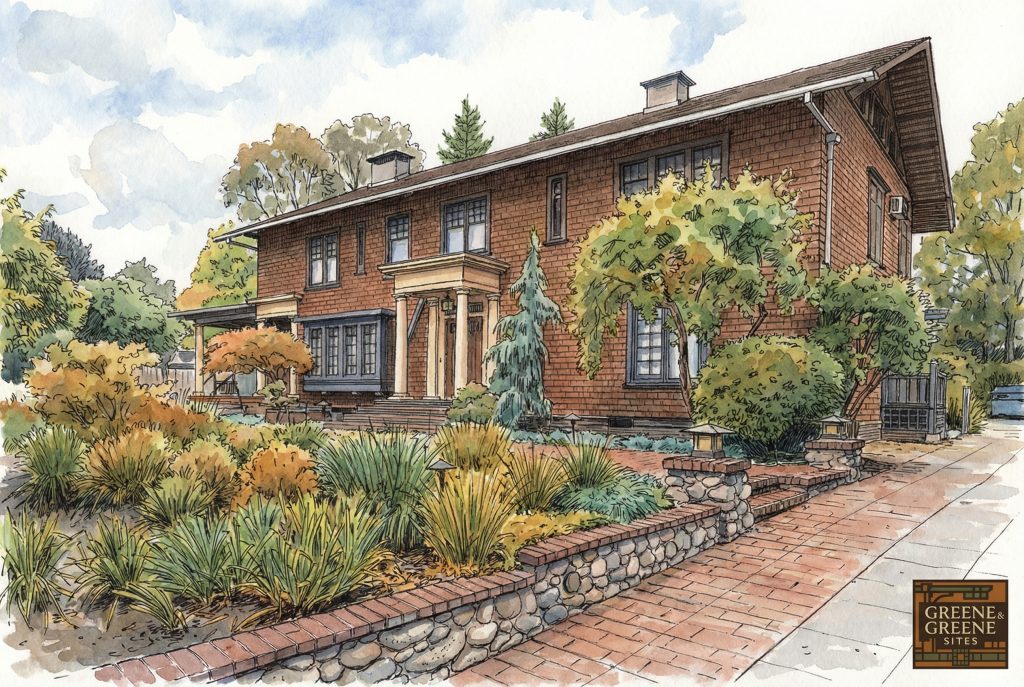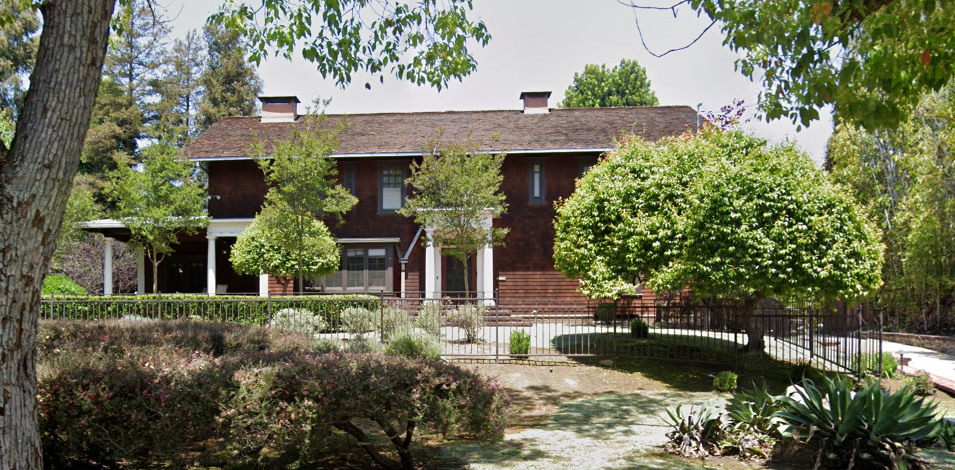
The Rev. Alexander Moss Merwin House (1904) represents Greene & Greene’s thoughtful approach to residential design for religious professionals, demonstrating their ability to create architecture that served both the personal needs of clergy families and the professional requirements of religious service. Commissioned by the Reverend Alexander Moss Merwin for his Pasadena residence, this house showcases the brothers’ understanding of how residential architecture could support the unique lifestyle demands of religious leadership while maintaining their commitment to Arts and Crafts design principles. The house stands as testament to Greene & Greene’s growing reputation among Pasadena’s professional community and their ability to create distinctive residential architecture that enhanced both individual family life and community service.
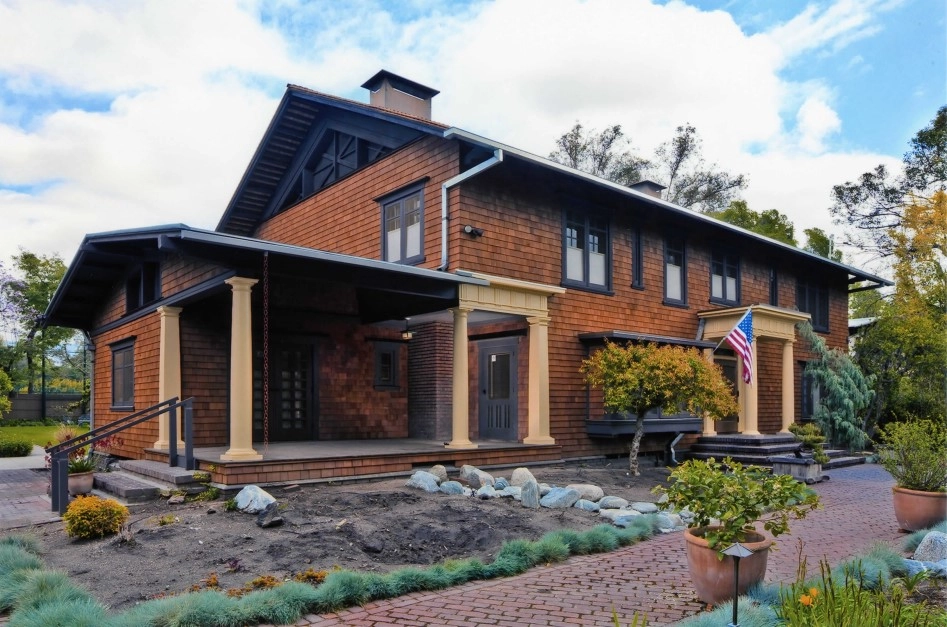
Client and Religious Community Context
The Reverend Alexander Moss Merwin emerged as an important early client during Greene & Greene’s period of expanding practice among Pasadena’s professional community, representing their growing appeal to educated clergy who appreciated quality residential design. His commission reflects both his personal commitment to creating a dignified family residence and his understanding of how architectural excellence could enhance his effectiveness in religious service and community leadership. The project demonstrates Greene & Greene’s success in attracting clients who valued authentic design principles and superior craftsmanship as expressions of their professional and personal values.
Reverend Merwin’s choice of Greene & Greene for his residence reflected the sophisticated understanding of architectural quality that characterized many religious professionals in early 20th century Pasadena. His commission helped establish the brothers’ reputation within the city’s religious community while demonstrating their ability to create architecture that served the specific needs of clergy families. The house represents an important milestone in their development of residential architecture for professional clients who required homes that could accommodate both private family life and the public responsibilities of religious leadership.
Architectural Design and Professional Requirements
The Merwin House demonstrates Greene & Greene’s sophisticated understanding of how residential architecture should serve the unique needs of religious professionals while maintaining the highest standards of design excellence and material authenticity. The house reflects their ability to create spaces that could accommodate the varied activities of clergy life: private family functions, small religious gatherings, study and preparation work, and the reception of parishioners and community members. The design showcases their growing confidence in creating California residential architecture that balanced professional requirements with family comfort and architectural distinction.
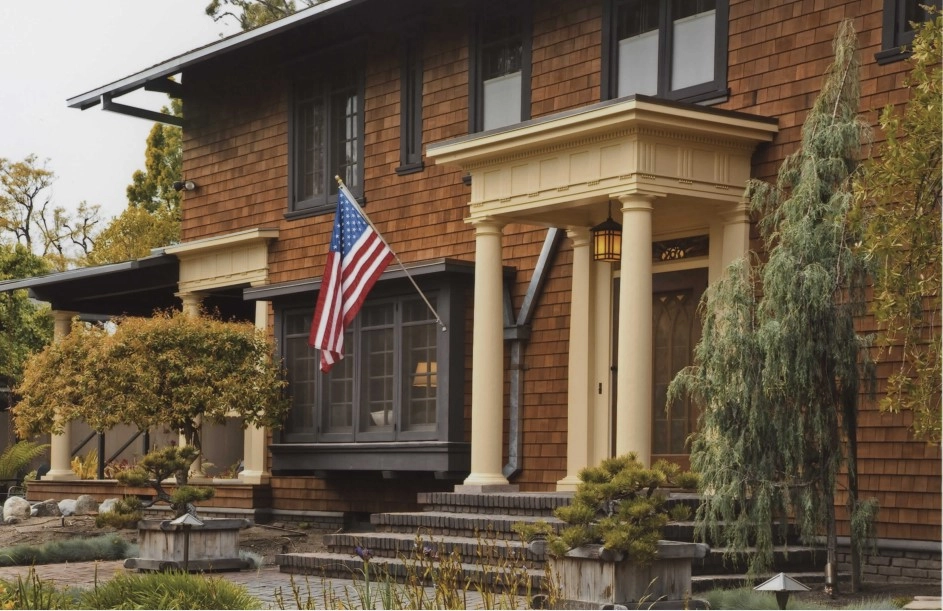
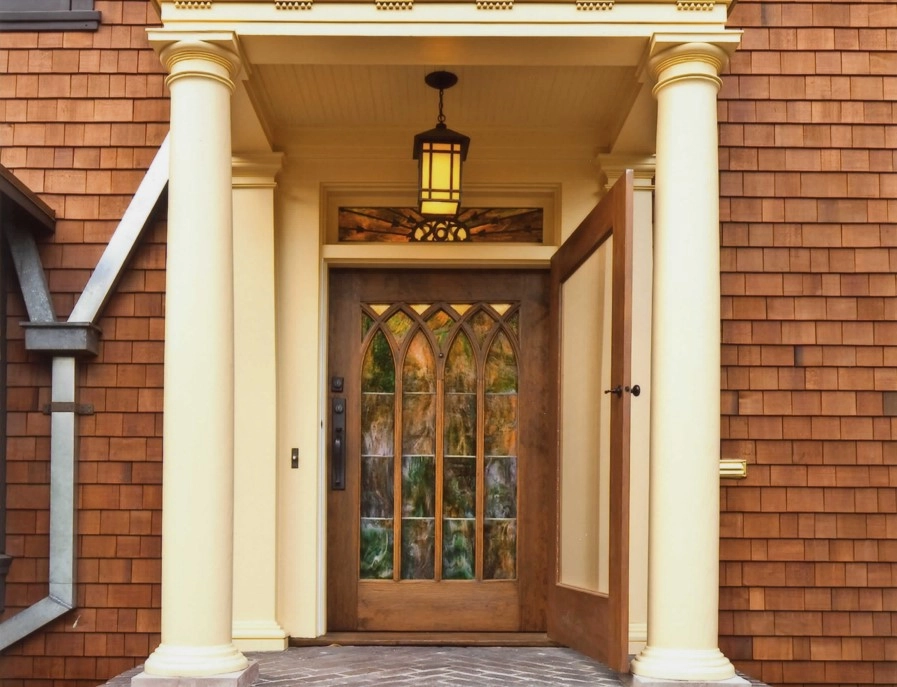
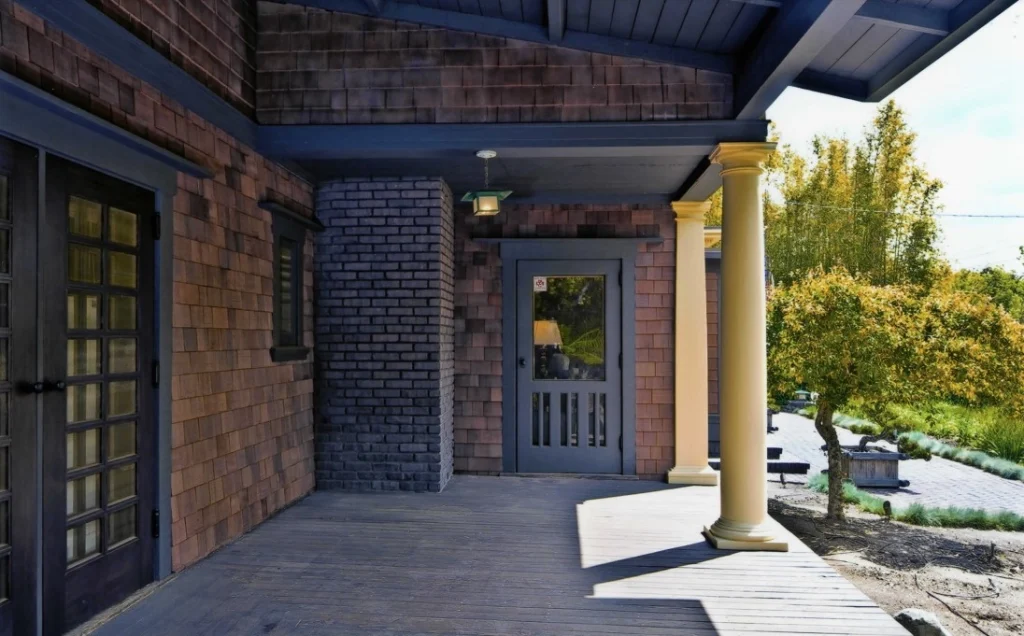
The architectural composition incorporates elements that would become characteristic of Greene & Greene’s mature residential work while responding to the specific requirements of a clergy residence. The design demonstrates their understanding of how residential spaces should be organized to support both contemplative work and community interaction, creating environments that enhanced both personal reflection and social engagement. The house represents an important development in their approach to professional residential design, establishing precedents that would influence their later work with other educated professional clients.
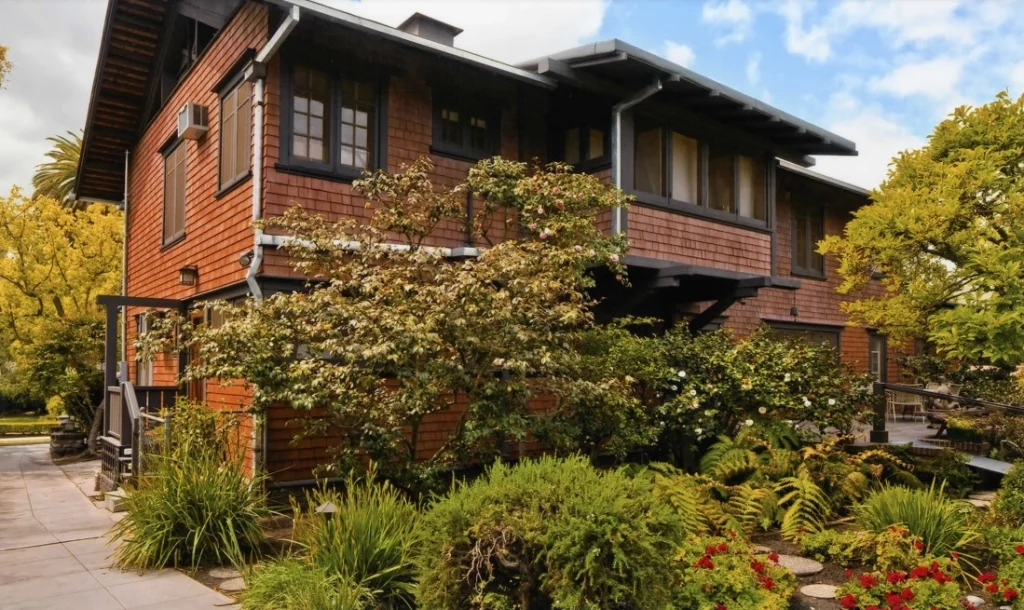
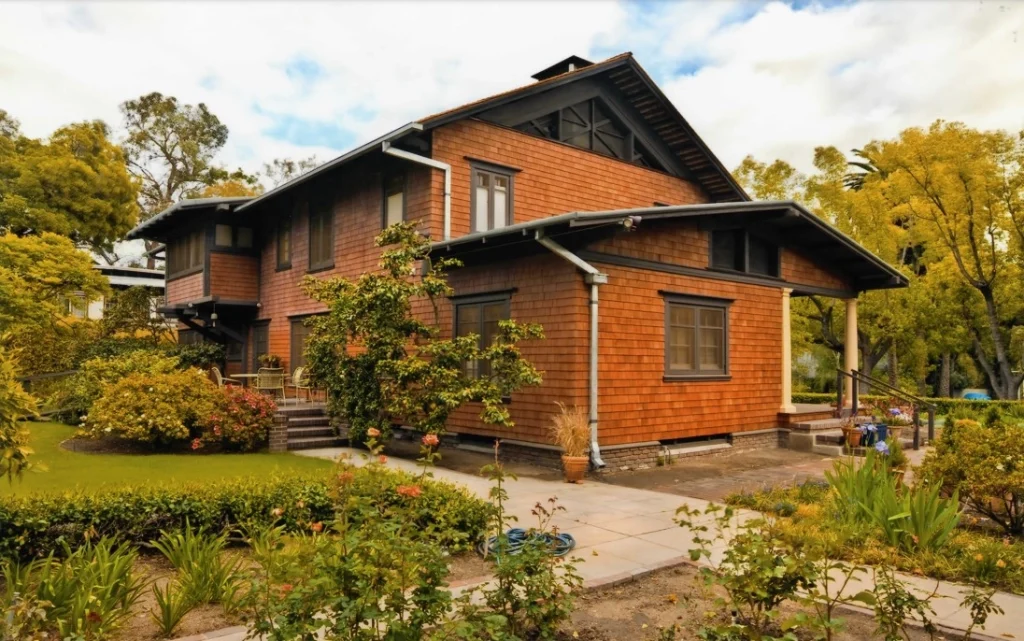
Materials and Craftsmanship Excellence
The Merwin House exemplifies Greene & Greene’s unwavering commitment to authentic materials and superior craftsmanship that distinguished their work regardless of client profession or project scale. The house demonstrates their understanding of how material choices could create architecture that conveyed both personal dignity and professional authority, establishing authentic relationships between building and site while maintaining the quality standards that defined their practice. The construction reflects their belief that excellent residential architecture must be built from materials appropriate to California’s climate and regional building traditions.
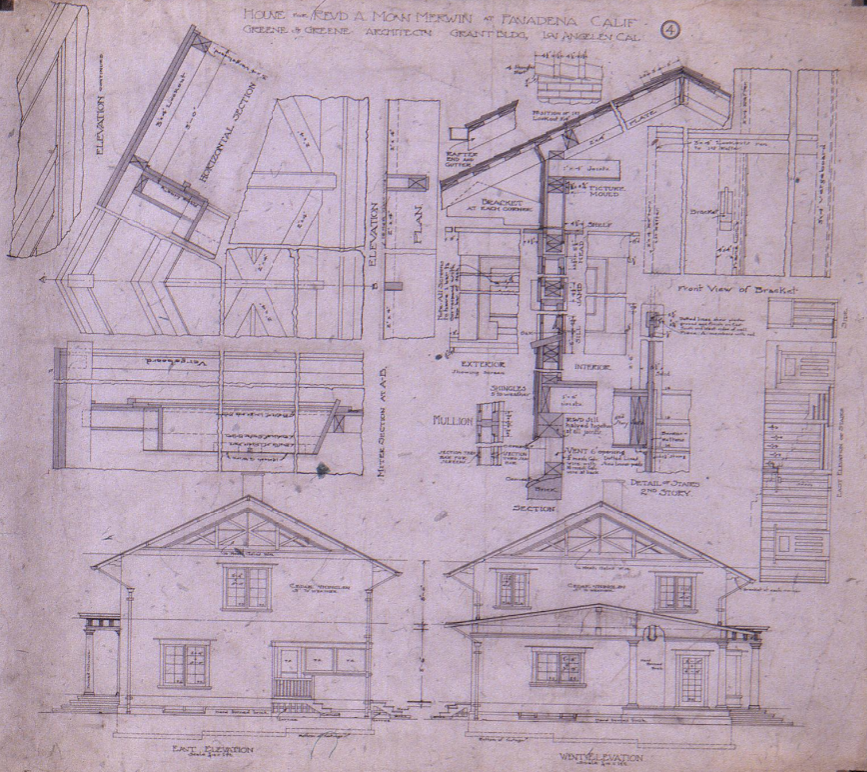
The design incorporates Greene & Greene’s developing vocabulary of California residential construction, including carefully detailed wood elements, authentic material relationships, and thoughtful integration with the natural environment. These material choices demonstrate their understanding of how residential architecture could achieve lasting appeal through honest expression of construction methods and regional materials rather than stylistic imitation or applied ornament. The construction quality established important precedents for clergy residential design while proving that their design principles could successfully serve the specific needs of religious professionals.

Contractor Relationship and Construction Innovation
The Rev. Alexander Moss Merwin House holds particular significance in Greene & Greene’s professional development as only the second house to be constructed by Peter Hall, who would soon become their preferred contractor and crucial collaborator in realizing their architectural vision. This early collaboration established the foundation for one of the most important professional relationships in their career, demonstrating how the right contractor partnership could elevate their design work to new levels of craftsmanship and construction quality. The successful execution of the Merwin House proved Hall’s ability to understand and implement their exacting standards for authentic materials and superior construction methods.
The construction of the Merwin House represents a crucial moment in Greene & Greene’s evolution from architects dependent on conventional building practices to designers who could rely on contractors who shared their commitment to excellence and innovation. Hall’s work on this project demonstrated his understanding of their design philosophy and his ability to execute the detailed craftsmanship that distinguished their residential work. This partnership would prove essential to their later masterpieces and established construction standards that would influence California residential building for generations.
Site Integration and Community Presence
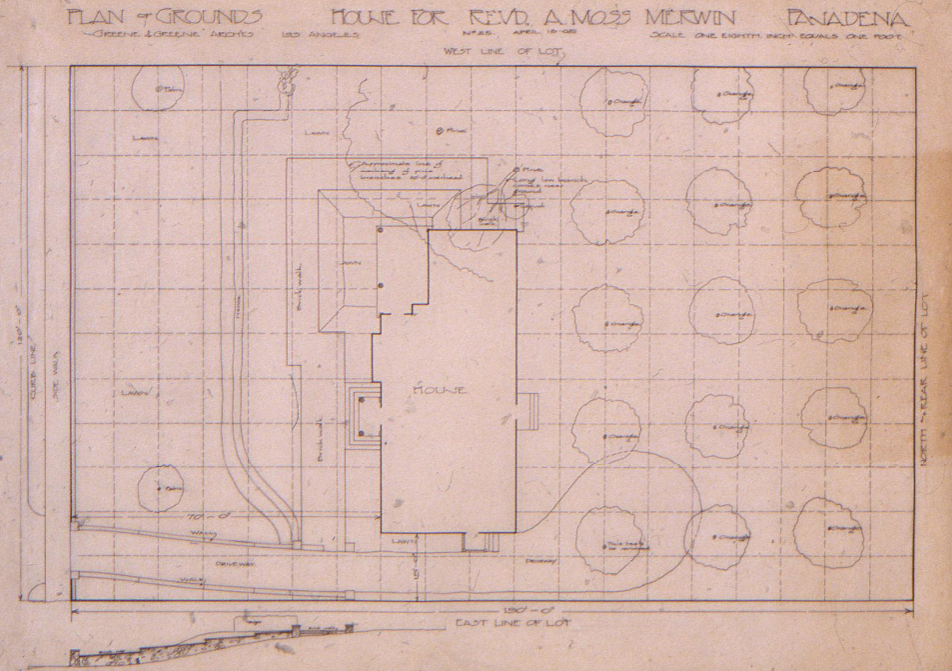
The Merwin House demonstrates Greene & Greene’s growing sophistication in creating residential architecture that contributed positively to Pasadena’s developing residential character while serving the specific needs of religious leadership within the community. The design creates appropriate relationships between the house and its Pasadena setting while establishing the dignity and accessibility expected of a clergy residence. The site planning reflects their understanding of how residential architecture for religious professionals should balance private family needs with the public responsibilities of community service and religious leadership.
The house’s integration with its Pasadena location demonstrates the brothers’ developing understanding of how California residential architecture should respond to both natural site conditions and social community requirements. The design creates opportunities for both private family life and appropriate reception of parishioners and community members while contributing to the neighborhood’s emerging identity as a desirable residential area. This balance between private functionality and public accessibility would become an important aspect of their work with other professional clients throughout their career.
Interior Planning and Clergy Functionality
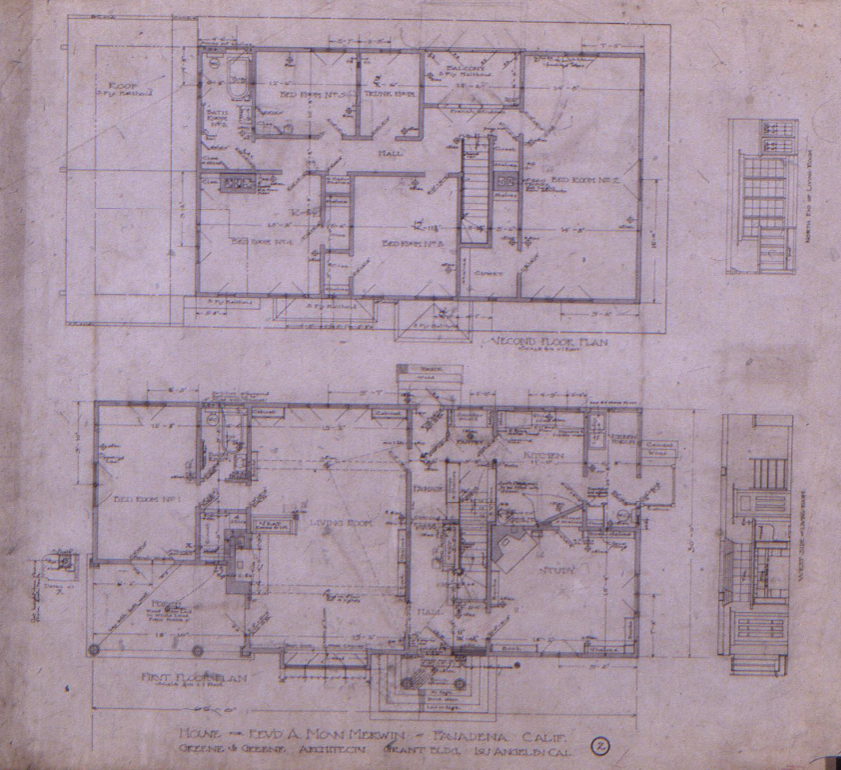
The interior planning of the Merwin House reflects Greene & Greene’s sophisticated understanding of how residential spaces should be organized to support the varied activities of religious professional life while maintaining appropriate levels of family privacy and comfort. The arrangement of rooms demonstrates their ability to create functional relationships that served both the contemplative work of religious preparation and the social requirements of community leadership. The spatial organization shows clear influence from their study of how different domestic and professional functions could be integrated to create homes that enhanced both family relationships and professional effectiveness.
The plan arrangement creates opportunities for both private study and reflection and appropriate reception of community members while maintaining the flexibility required for changing family and professional needs over time. This adaptable organization demonstrates the brothers’ understanding that successful residential design for religious professionals must accommodate the evolving requirements of both family life and community service while creating spaces that maintained their dignity and functionality across generations. The interior planning established important precedents for clergy residential design that would influence their later work with other professional clients.
Historic Preservation and Recognition
The Merwin House’s inclusion on the National Register of Historic Places and its protection through a Historic Preservation Easement demonstrate the enduring significance of Greene & Greene’s approach to residential design for religious professionals. This recognition reflects both the architectural excellence of the original design and its continued importance as an example of how residential architecture can successfully serve the specific needs of clergy families while contributing to community development. The preservation protections ensure that future generations will be able to study and appreciate this important example of early 20th century California residential architecture.
The house’s historic designation also recognizes its significance in the development of Greene & Greene’s professional practice, particularly their important early relationship with contractor Peter Hall and their growing reputation among Pasadena’s professional community. The preservation status acknowledges the house’s role in demonstrating how Arts and Crafts design principles could be successfully adapted to serve the specific needs of religious professionals while maintaining the authenticity and quality that distinguished superior residential architecture. This recognition helps ensure the continued preservation of an important milestone in California architectural development.
Relationship to Greene & Greene’s Broader Practice
The Merwin House occupies an important position in Greene & Greene’s developing practice, demonstrating their successful expansion into residential design for religious professionals while establishing crucial relationships with quality contractors who shared their commitment to excellence. The house shows clear relationships to their other work of this period while introducing innovations in professional residential planning that would influence their later commissions. The project’s success helped establish their reputation within Pasadena’s religious community while proving their ability to create distinctive architecture that served diverse professional requirements.
The house demonstrates the brothers’ growing confidence in their ability to create California residential architecture that could serve the specific needs of educated professional clients while maintaining their commitment to authentic materials and superior craftsmanship. The successful execution of the clergy commission proved that their design principles could be successfully adapted to different professional contexts while maintaining the quality and authenticity that distinguished their work. This professional flexibility would become crucial to their practice as they sought to serve a broader range of educated clients while maintaining their design standards.
Professional Residential Design Innovation
The Merwin House represents an important contribution to the development of residential architecture for religious professionals, demonstrating how Arts and Crafts design principles could be successfully adapted to serve the unique requirements of clergy life while maintaining architectural excellence. The house’s design innovations in balancing private family needs with professional accessibility helped establish precedents for clergy residential design that would influence California architecture for generations. The project demonstrates the important role that thoughtful residential design could play in supporting effective religious leadership and community service.
The house also demonstrates Greene & Greene’s understanding of how residential architecture could contribute to professional effectiveness while maintaining the authenticity and quality that distinguished superior design. The successful balance between family functionality and professional requirements proved that California residential architecture could successfully serve diverse professional needs while establishing regional building traditions that prioritized quality over mere economy. The innovative approach to professional residential planning would influence their work with other educated professional clients throughout their career.
Contractor Partnership and Construction Excellence
The Merwin House’s significance in establishing Greene & Greene’s crucial partnership with contractor Peter Hall cannot be overstated, as this relationship would prove essential to their later masterpieces and their ability to realize their architectural vision through superior construction quality. Hall’s successful execution of this early commission demonstrated his understanding of their design philosophy and his ability to implement the detailed craftsmanship that distinguished their residential work. This partnership established construction standards that would influence California residential building while proving the importance of contractor relationships in achieving architectural excellence.
The construction quality achieved in the Merwin House also demonstrates Greene & Greene’s growing ability to attract contractors who shared their commitment to authentic materials and superior craftsmanship rather than conventional building practices focused primarily on economy. Hall’s work on this project proved that their design principles could be successfully implemented through careful contractor selection and collaboration. This approach to construction partnerships would become a crucial aspect of their practice and would contribute significantly to their reputation for creating residential architecture of exceptional quality and lasting appeal.
Legacy and Contemporary Relevance
The Rev. Alexander Moss Merwin House continues to demonstrate the enduring relevance of Greene & Greene’s approach to professional residential design, proving that architecture created to serve specific professional requirements can maintain its appeal and functionality across generations while contributing to community development. The house’s successful preservation through historic designation and easement protection provides important lessons for contemporary residential design, particularly regarding the importance of creating flexible spaces that can accommodate evolving professional and family needs while preserving architectural integrity.
The house’s emphasis on authentic materials and superior craftsmanship also provides important lessons for contemporary sustainable design practices, demonstrating how investment in quality construction and regional materials can create buildings that serve multiple generations while maintaining their architectural and environmental integrity. The project proves that residential architecture designed to serve professional requirements can contribute to both individual career success and broader community development when architects and clients share commitment to creating architecture that serves both immediate needs and long-term community goals.
The Rev. Alexander Moss Merwin House stands as testament to Greene & Greene’s ability to create residential architecture that successfully balanced professional requirements with family needs while establishing crucial partnerships with quality contractors who shared their commitment to excellence. Through this important clergy commission, the brothers proved that their vision of authentic California architecture could serve diverse professional contexts while contributing to the development of construction standards and contractor relationships that would influence their later masterpieces and establish lasting precedents for California residential architecture that enhanced both individual professional effectiveness and community development throughout Pasadena’s rapidly evolving social and cultural landscape.
Current Status
Location: 267 West State Street, Pasadena CA 91105
Status: The Rev. Alexander Moss Merwin House continues to serve as a private residence, maintaining its original residential function while preserving the architectural integrity that distinguished Greene & Greene’s approach to clergy residential design. The house remains an important example of how early 20th century professional residential architecture can successfully adapt to contemporary living requirements while retaining its historic character and community significance.
Significance: The Merwin House represents a crucial milestone in Greene & Greene’s professional development, marking their second collaboration with contractor Peter Hall who would become essential to their later masterpieces and their growing reputation among Pasadena’s religious and professional community. The house demonstrates their sophisticated understanding of how residential architecture should serve the unique requirements of religious professionals while establishing precedents for authentic California residential design that balanced professional dignity with family functionality and superior craftsmanship.
Recognition: Listed on the National Register of Historic Places and protected by a Historic Preservation Easement, the Merwin House has received formal recognition for its architectural significance and its important role in the development of California residential architecture. The house’s preservation status acknowledges both its individual architectural excellence and its contribution to understanding Greene & Greene’s evolution as architects capable of creating distinctive residential design for diverse professional clients while maintaining their commitment to authentic materials and regional building traditions that would influence California architecture for generations.