The Dr. George E. Abbott House (1904) represents Greene & Greene’s sophisticated understanding of how residential architecture could serve the specific needs of medical professionals while maintaining the highest standards of design excellence. Commissioned by Dr. George E. Abbott, a prominent Pasadena physician, this residence demonstrates the brothers’ ability to create architecture that balanced the professional requirements of a medical practice with the domestic needs of family life. The house stands as testament to Greene & Greene’s growing reputation among Pasadena’s professional community and their skill in creating distinctive residential architecture that served both practical and aesthetic purposes.
Client and Professional Context
Dr. George E. Abbott emerged as one of Pasadena’s leading medical professionals during the early 20th century, establishing his practice during a period of rapid growth and development in the San Gabriel Valley. His decision to commission Greene & Greene for his residence reflected both his personal appreciation for quality architecture and his understanding of how a well-designed home could enhance his professional standing within the community. The commission demonstrates the brothers’ growing reputation among Pasadena’s professional elite, who recognized their ability to create architecture that conveyed both distinction and authenticity.
Abbott’s medical practice positioned him within Pasadena’s expanding healthcare community, which included other notable physicians who would also become Greene & Greene clients, such as Dr. Francis F. Rowland and Dr. William T. Bolton. This network of medical professionals helped establish the brothers’ reputation for creating residences that met the specific needs of healthcare practitioners while maintaining the design integrity that distinguished their work from conventional residential architecture. The Abbott commission reflects the important role that professional clients played in the development of Greene & Greene’s practice during their early period.
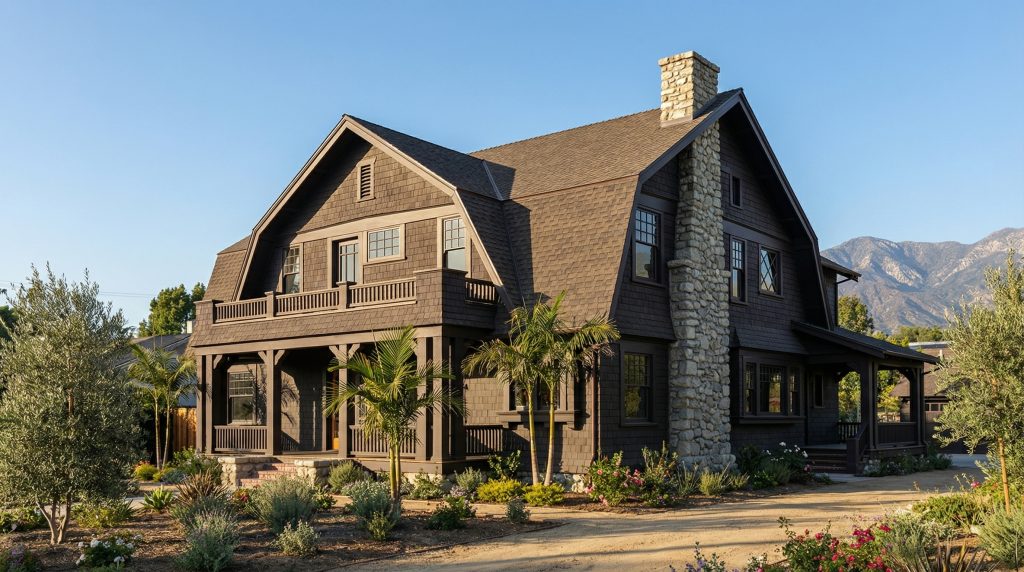
Architectural Design and Professional Requirements
The design of the Abbott House demonstrates Greene & Greene’s sophisticated understanding of how residential architecture could accommodate the dual functions of family life and professional practice. The house reflects their ability to create spaces that provided appropriate settings for both domestic activities and the professional requirements of a medical practice, including considerations for patient access, privacy, and the dignity expected of a physician’s residence. This dual-purpose planning would become an important aspect of their work for professional clients throughout their career.
The architectural composition showcases Greene & Greene’s developing mastery of residential design during their early period, incorporating elements that would become hallmarks of their mature style while responding to the specific requirements of the medical profession. The design demonstrates their understanding of how architecture could enhance professional standing while creating comfortable and functional living spaces for family life. The house represents an important step in their evolution toward the comprehensive residential masterpieces that would define their later career.
Materials and Construction Quality
The Dr. George E. Abbott House exemplifies Greene & Greene’s commitment to authentic materials and superior craftsmanship that distinguished their work from conventional residential construction. The house demonstrates their understanding of how material choices could create architecture that conveyed both professional dignity and residential warmth, establishing appropriate relationships between public and private functions within the domestic environment. The construction quality reflects their belief that authentic architecture must be built from materials appropriate to California’s climate and regional building traditions.
The design incorporates Greene & Greene’s developing vocabulary of California residential architecture, including elements that would become signature features of their work: carefully detailed wood construction, authentic material relationships, and thoughtful integration with the natural landscape. These material choices demonstrate their understanding of how residential architecture could achieve distinction through honest expression of construction methods and regional materials rather than applied ornament or stylistic imitation.
Site Integration and Neighborhood Context
The Abbott House demonstrates Greene & Greene’s growing sophistication in creating residential architecture that responded appropriately to Pasadena’s developing urban fabric while maintaining individual architectural distinction. The design creates appropriate relationships between the house and its neighborhood context while establishing the professional dignity expected of a physician’s residence. The site planning reflects their understanding of how residential architecture should contribute to community character while serving the specific needs of professional practice.
The house’s integration with its Pasadena setting demonstrates the brothers’ developing understanding of how California residential architecture should respond to local climate conditions, landscape characteristics, and community expectations. The design creates opportunities for both formal presentation and private family life while maintaining the accessibility required for professional practice. This balance between public and private functions would become an important aspect of their work for professional clients throughout their career.
Interior Planning and Spatial Organization
The interior planning of the Abbott House reflects Greene & Greene’s sophisticated understanding of how residential spaces should be organized to support both family life and professional activities. The arrangement of rooms demonstrates their ability to create functional relationships that served the dual purposes of domestic comfort and professional practice while maintaining appropriate levels of privacy and formality. The spatial organization shows clear influence from their study of how different functions could be integrated within a single residential structure.
The plan arrangement creates opportunities for both formal entertaining and professional consultation while maintaining the privacy and comfort expected in a family residence. This flexible organization demonstrates the brothers’ understanding that successful residential design must accommodate the varied activities of modern professional life while creating spaces that enhanced both family relationships and professional standing. The interior planning establishes precedents for their later work with professional clients who required similar dual-purpose residential arrangements.
Relationship to Greene & Greene’s Medical Professional Commissions
The Abbott House occupies an important position within Greene & Greene’s portfolio of commissions for medical professionals, demonstrating their growing reputation within Pasadena’s healthcare community. The house shows clear relationships to their other medical professional commissions, including the Dr. Francis F. Rowland House and the Dr. William T. Bolton Houses, while introducing innovations that would influence their later residential work. The project’s success helped establish their reputation as architects who could create distinctive residential architecture that served both professional and domestic purposes.
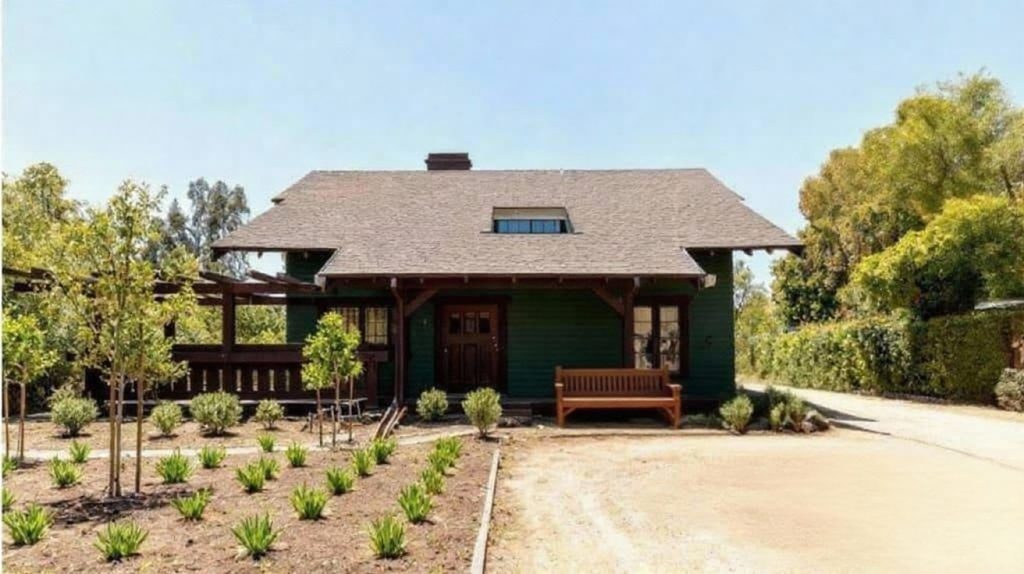
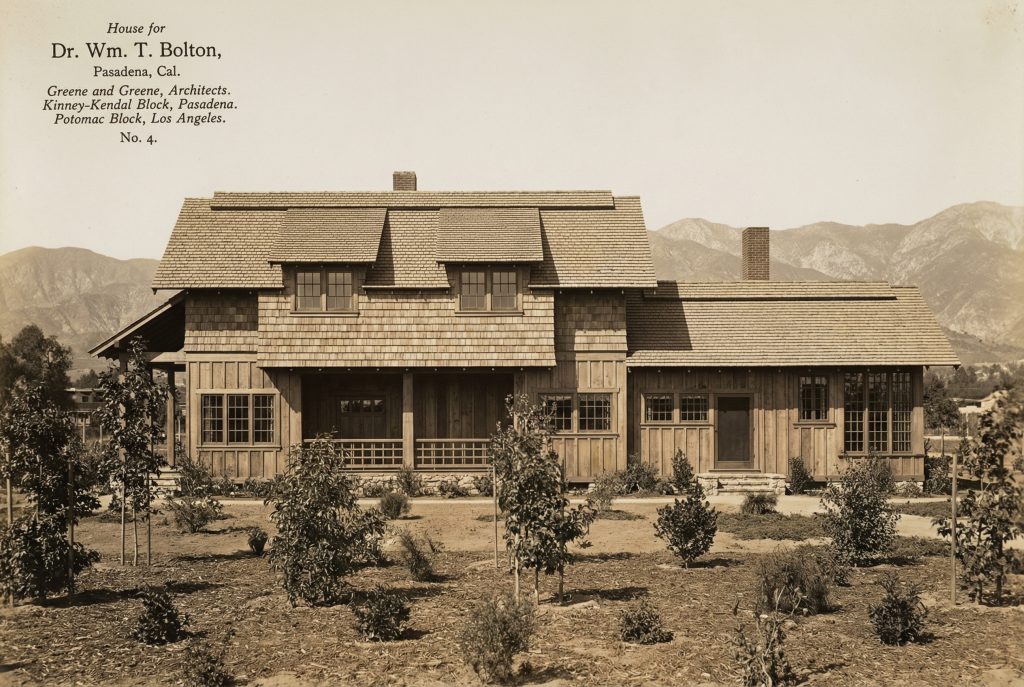
The house demonstrates the brothers’ understanding of how residential architecture could enhance professional practice while maintaining the design integrity that distinguished their work from conventional building. The successful execution of the dual-purpose design proved that their architectural principles could be applied to serve the specific needs of professional clients while maintaining their commitment to authentic materials and superior craftsmanship. This flexibility would become crucial to their practice as they sought to serve a broader range of clients while maintaining their design standards.
Design Innovation and California Architecture
The Abbott House represents an important contribution to the development of California residential architecture, demonstrating how traditional residential forms could be adapted to serve the needs of modern professional practice. The design incorporates elements that would become characteristic of California residential architecture: integration of indoor and outdoor spaces, authentic use of regional materials, and planning arrangements that responded to the state’s favorable climate and informal lifestyle. These innovations helped establish precedents for residential design that would influence California architecture for generations.
The house also demonstrates Greene & Greene’s growing confidence in their ability to create architecture that was both distinctively Californian and professionally appropriate. The design proves that regional architectural character need not compromise professional dignity, establishing models for how California residential architecture could serve the needs of the state’s growing professional community. The successful balance between regional authenticity and professional requirements would influence their approach to residential practice throughout their career.
Construction Quality and Craftsmanship Standards
The Abbott House exemplifies the construction quality and attention to detail that distinguished Greene & Greene’s work from conventional residential building during the early 20th century. The house demonstrates their commitment to superior craftsmanship and authentic materials even within the constraints of professional practice requirements, proving that functional considerations need not compromise architectural quality. The construction standards established precedents for how residential architecture could achieve both practical efficiency and aesthetic distinction.
The craftsmanship quality reflects Greene & Greene’s understanding that authentic architecture must be built to the highest standards regardless of functional requirements or budget constraints. The house proves that their design principles could be successfully applied to serve professional needs while maintaining the material authenticity and construction quality that distinguished their work. This commitment to excellence would become a hallmark of their practice and would influence their reputation among discerning clients throughout their career.
Historical Significance and Professional Practice
The Dr. George E. Abbott House represents an important milestone in the development of residential architecture for professional practice, demonstrating how high-quality design could successfully serve the dual purposes of family life and professional requirements. The house’s success helped establish precedents for residential development that prioritized architectural quality while accommodating the specific needs of professional clients. The project proved that there was sufficient demand for distinctive residential architecture among Pasadena’s professional community to support continued innovation in residential design.
The house also demonstrates the important role that professional clients played in the development of Greene & Greene’s practice during their early period. Dr. Abbott’s willingness to invest in high-quality residential architecture helped create demand for their services while establishing standards for professional residential design that would influence Pasadena’s development. The successful collaboration between client and architects established models for how residential architecture could serve both professional advancement and community development goals.
Legacy and Contemporary Relevance
The Abbott House continues to demonstrate the enduring relevance of Greene & Greene’s approach to residential design for professional practice, proving that architecture designed to serve dual purposes can maintain its functionality and appeal across generations. The house’s successful integration of professional and domestic functions provides important lessons for contemporary residential design, particularly as more professionals seek to integrate work and family life within residential settings. The design principles established in this early commission continue to influence residential architecture for professional practice.
The house’s emphasis on authentic materials and superior craftsmanship also provides important lessons for contemporary sustainable design practices, demonstrating how investment in quality construction can create buildings that serve multiple generations while maintaining their architectural integrity. The project proves that residential architecture designed to serve professional needs can contribute to both individual success and community development when architects and clients share commitment to creating architecture that serves both immediate needs and long-term community goals.
The Dr. George E. Abbott House stands as testament to Greene & Greene’s ability to create residential architecture that successfully balanced professional requirements with design excellence, establishing precedents for California residential development that continue to influence contemporary practice. Through this important commission, the brothers proved that their vision of authentic California architecture could serve the needs of the state’s growing professional community while contributing to the development of distinctive regional building traditions that enhanced both individual lives and community character.
To Learn More Visit:
