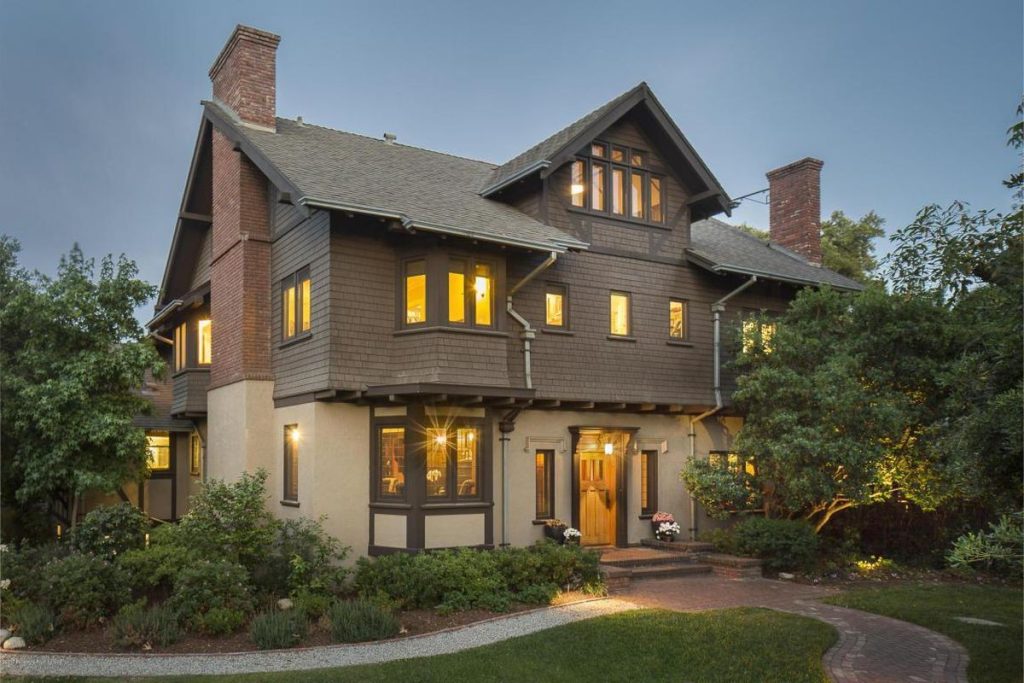
The Henry A. Ware House represents Greene & Greene’s most sophisticated exploration of English Revival residential design and their most successful demonstration of how traditional architectural styles could be adapted to California requirements while maintaining the highest standards of Craftsman craftsmanship and innovative design solutions. Built in 1913 in Pasadena, California, for Henry A. Ware, who demanded a traditional English-style home that would resemble his former residence in the Eastern United States, this remarkable two-story residence stands as Greene & Greene’s most accomplished synthesis of English architectural traditions with California lifestyle requirements and their most innovative response to specific client accessibility needs. The house holds special significance as one of Greene & Greene’s most important departures from their typical Japanese-influenced vocabulary and as their most successful exploration of how traditional European residential styles could be enhanced through innovative lighting design and spatial planning while serving the specific requirements of clients with physical limitations and cultural preferences for traditional architectural character.
Architectural Significance
The Henry A. Ware House occupies a unique position in Greene & Greene’s body of work as their most sophisticated exploration of English Revival residential design and their most successful demonstration of how traditional architectural styles could be adapted to California requirements while maintaining the highest standards of Craftsman innovation and design excellence. Completed in 1913 during the final period of Greene & Greene’s major residential commissions, the residence represents their most important example of stylistic adaptation to client demands and their most significant exploration of how innovative design solutions could enhance traditional architectural character while serving the specific requirements of clients with accessibility needs and cultural preferences. The design demonstrates their sophisticated approach to creating architecture that could honor traditional precedents while incorporating innovative solutions for contemporary living requirements, making it a crucial achievement in their development as masters of adaptive residential design and a landmark in the evolution of California English Revival architecture that established new possibilities for traditional residential design in American domestic architecture.
The English Innovation
The Henry A. Ware House commission provided Greene & Greene with the opportunity to explore English Revival design principles and demonstrate their mastery of adapting traditional styles to contemporary requirements:
Traditional Adaptation: The Ware House represented Greene & Greene’s most important opportunity to demonstrate how traditional English-style residential design could be adapted to California requirements while maintaining architectural authenticity, establishing new possibilities for residential architecture that could honor client cultural preferences while incorporating innovative design solutions and contemporary lifestyle requirements.
Accessibility Innovation: The commission challenged Greene & Greene to demonstrate how innovative design solutions could enhance traditional architectural character while serving the specific requirements of clients with physical limitations, establishing new possibilities for residential architecture that could address accessibility needs through sophisticated lighting design and spatial planning innovations.
Stylistic Synthesis: The project provided the opportunity for Greene & Greene to demonstrate their mastery of combining English Revival character with Craftsman construction principles, confirming their ability to work successfully within traditional architectural vocabularies while maintaining their commitment to innovative design solutions and construction quality.
Architectural Features
Exterior Design
The Henry A. Ware House showcased Greene & Greene’s sophisticated approach to English Revival residential design and traditional architectural adaptation:
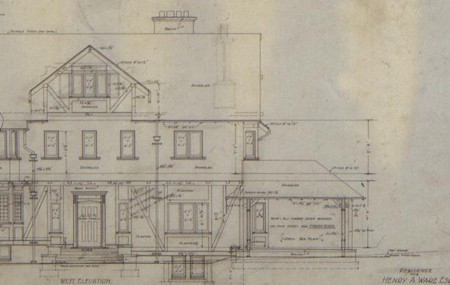
English-Style Character: The house was designed according to the client’s demands for a traditional English-style home that would resemble his former residence in the Eastern United States, demonstrating Greene & Greene’s mastery of traditional architectural vocabularies while adapting them to California climate requirements and contemporary construction methods.
Shingle and Plaster Construction: The design featured the upper portion of the house constructed of shingle with the ground floor made of plaster, similar to the Kew house of 1912, showcasing their understanding of how traditional English construction methods could be adapted to California requirements while maintaining architectural authenticity and visual character.
Complex Roof Design: The house incorporated a complex roof design that reflected traditional English residential character while adapting to California climate requirements, demonstrating Greene & Greene’s understanding of how traditional architectural elements could be enhanced through careful proportioning and construction innovation while serving contemporary functional requirements.
Traditional Proportioning: The design featured careful proportioning that honored English residential traditions while adapting to California site conditions and lifestyle requirements, showcasing Greene & Greene’s mastery of traditional architectural principles while incorporating contemporary planning innovations and construction methods.
Material Integration: The house included careful integration of traditional materials with contemporary construction methods, demonstrating Greene & Greene’s understanding of how traditional architectural character could be maintained while incorporating innovative construction techniques and California-appropriate material selections.
Interior Design and Craftsmanship
The interior of the Henry A. Ware House represented Greene & Greene’s most accomplished exploration of English Revival residential planning and innovative accessibility design:
English Interior Details: The interior details of the dining room and stairwell were strongly English in style, demonstrating Greene & Greene’s understanding of how traditional architectural character could be maintained through careful attention to period-appropriate detailing while incorporating contemporary construction methods and functional innovations.
Living Room Innovation: The design included the living room where the Greenes successfully introduced other forms beyond traditional English character, showcasing their mastery of combining traditional architectural vocabularies with contemporary design innovations while maintaining overall stylistic coherence and functional performance.
Innovative Lighting Design: The house featured innovative lighting design that addressed Mrs. Ware’s poor eyesight through sixty electric lights concealed behind a redwood molding that curves subtly away from the wall below the beamed ceiling, demonstrating Greene & Greene’s mastery of creating innovative solutions for accessibility requirements while maintaining traditional architectural character.
Accessibility Solutions: The design included sophisticated solutions for accessibility requirements that enhanced rather than compromised traditional architectural character, showcasing Greene & Greene’s understanding of how innovative design could address contemporary needs while maintaining the cultural preferences and stylistic requirements expected by traditional clients.
Warm Lighting Effect: The lighting system created a warm glow that subtly circles the room while acting as a shield from incandescent glare, demonstrating Greene & Greene’s mastery of combining innovative technology with traditional architectural character to create enhanced living environments that served specific client requirements.
Historical Context
Henry A. Ware
Henry A. Ware represented the sophisticated client who sought Greene & Greene’s architectural services while requiring specific stylistic adaptation and accessibility accommodation:
Eastern Heritage: His demand for a traditional English-style home that would resemble his former residence in the Eastern United States demonstrated the cultural context within which Greene & Greene worked while serving clients who expected traditional architectural character adapted to California requirements and contemporary lifestyle needs.
Accessibility Requirements: His wife’s poor eyesight created specific design challenges that required innovative solutions, making him an ideal client for Greene & Greene’s approach to adaptive residential design that could address contemporary accessibility needs while maintaining traditional architectural character and cultural preferences.
Traditional Preferences: His specific demands for English Revival character demonstrated the continuing influence of traditional architectural styles among sophisticated clients, creating opportunities for residential architecture that could honor cultural preferences while incorporating innovative design solutions and contemporary construction methods.
California Adaptation: His decision to commission a house in Pasadena while maintaining traditional architectural preferences demonstrated the ongoing migration of Eastern families to California, creating opportunities for residential architecture that could adapt traditional styles to Western lifestyle requirements and environmental conditions.
The 1913 Architectural Context
The Henry A. Ware House commission emerged during a crucial period in the development of Greene & Greene’s practice and the broader evolution of American traditional residential architecture:
English Revival Development: The year 1913 saw continued interest in English Revival residential architecture among sophisticated clients, providing the context for architecture that could demonstrate the adaptation of traditional styles to California requirements while maintaining cultural authenticity and architectural distinction.
Accessibility Innovation: The period was characterized by emerging awareness of accessibility requirements in residential design, creating opportunities for architectural innovation that could address contemporary needs while maintaining traditional architectural character and cultural preferences.
Stylistic Adaptation: The early 1910s saw Greene & Greene’s continued development of their ability to work within various architectural vocabularies while maintaining their commitment to innovative design solutions, providing the broader architectural context for innovation that emphasized client responsiveness and stylistic flexibility within their developing practice.
Construction and Completion
The Henry A. Ware House underwent careful development and execution that reflected both Greene & Greene’s architectural vision and their commitment to traditional architectural adaptation:
English Revival Construction (1913): The house was completed using traditional English Revival construction methods adapted to California requirements, demonstrating Greene & Greene’s mastery of traditional architectural vocabularies while incorporating contemporary construction innovations and accessibility solutions that enhanced rather than compromised traditional character.
Innovative Lighting Installation: The project was executed with careful attention to the innovative lighting system that addressed Mrs. Ware’s accessibility requirements while maintaining traditional architectural character, creating architecture that demonstrated new possibilities for combining innovative technology with traditional design while serving specific client needs.
Traditional Character Maintenance: The completed house featured successful maintenance of English Revival character while incorporating contemporary innovations and California adaptations, establishing new possibilities for American traditional residential architecture that emphasized cultural authenticity while addressing contemporary lifestyle requirements and accessibility needs.
Continuous Evolution
The Henry A. Ware House influenced both Greene & Greene’s legacy and the broader evolution of American traditional residential architecture:
Stylistic Flexibility: The successful completion of the Ware House established Greene & Greene’s reputation as masters of stylistic adaptation and confirmed their ability to work successfully within traditional architectural vocabularies while maintaining their commitment to innovative design solutions, serving as the foundation for understanding how traditional styles could be enhanced through contemporary innovation.
Accessibility Innovation: The house’s successful integration of innovative accessibility solutions with traditional architectural character influenced subsequent understanding of how residential architecture could address contemporary needs while maintaining cultural preferences, demonstrating new possibilities for traditional architecture that could serve diverse client requirements while maintaining stylistic authenticity.
Traditional Adaptation: The project’s successful adaptation of English Revival character to California requirements established Greene & Greene’s reputation for cultural sensitivity and confirmed their mastery of traditional architectural principles while incorporating contemporary innovations, demonstrating the ongoing relevance of traditional styles in American residential architecture.
Preservation and Transformation
The Pasadena Legacy
The Henry A. Ware House has undergone various changes that demonstrate both the durability of Greene & Greene’s original design and the ongoing relevance of their traditional architectural adaptation:
Historic Recognition: The house is recognized as an important example of Greene & Greene’s English Revival residential design and their successful adaptation of traditional architectural styles to California requirements, ensuring its place in the history of American traditional residential architecture and providing ongoing opportunities for architectural education and cultural appreciation.
Restoration Excellence: The house has undergone meticulous restoration that maintains its original English Revival character while incorporating contemporary improvements, demonstrating the ongoing relevance of Greene & Greene’s traditional architectural adaptation and their innovative solutions for accessibility requirements and lifestyle enhancement.
Cultural Significance: The house’s recognition as a landmark example of English Revival adaptation ensures its ongoing importance for understanding how traditional architectural styles could be successfully adapted to American requirements while maintaining cultural authenticity and architectural distinction.
Current Status
Location: Pasadena, California
Status: Private residential use with historic recognition
Significance: Greene & Greene’s most sophisticated English Revival design
Recognition: Important example of traditional architectural adaptation
Architectural Legacy: The Henry A. Ware House stands as Greene & Greene’s most sophisticated exploration of English Revival residential design and their most successful demonstration of how traditional architectural styles could be adapted to California requirements while maintaining the highest standards of Craftsman innovation and accessibility design.
The Henry A. Ware House represents the moment when Greene & Greene achieved their most profound synthesis of traditional architectural character with innovative contemporary solutions—a culmination of their understanding of how English Revival design could be adapted to California requirements while serving the needs of sophisticated clients with accessibility requirements and cultural preferences for traditional architecture, establishing principles of stylistic adaptation that would influence subsequent American traditional residential design and confirm their mastery of creating distinguished architecture that could honor cultural heritage while incorporating innovative solutions for contemporary living requirements and accessibility needs.